Il grande capo indiano (stavo per scrivere “leggendario”, ma si tratta di un personaggio storico) Geronimo (16 giugno 1829-17 febbraio 1909: abbastanza longevo per l’epoca e per la professione!) non si chiamava veramente così e non era neppure un capo tribù.
Originariamente uno sciamano, divenne guerriero (nella banda di Kociss, Coltello) e successivamente leader in proprio dopo che i messicani gli avevano sterminato moglie figli e madre in un attacco notturno al villaggio (6 maggio 1858). Combatté messicani e statunitensi per quasi 30 anni, fino alla sua cattura nel 1886. Prigioniero di guerra, abbandonò la religione dei suoi padri e si convertì al cristianesimo. Il che non gli impedì di sposare la nona moglie, Azul, nel 1907.
wikipedia.org
Geronimo era un soprannome datogli dai messicani (probabilmente come invocazione all’omonimo santo dettata dal terrore).
In realtà il suo nome era Goyaałé o Goyathlay o Goyahkla: in lingua Mescalero-Chirichaua, Colui che sbadiglia.
Come dire: nulla è più temibile dell’ira giustificata delle persone tranquille.
Geronimo è anche il grido dei paracadutisti americani quando saltano dall’aereo.
Il programma dello scorso anno di Fabio Fazio e Roberto Saviano, Vieni via con me, ha popolarizzato la moda degli elenchi. In realtà, Umberto Eco aveva pubblicato Vertigine della lista nel 2008 e dovrebbe essere attribuito a lui il primato di questa rinnovata attenzione . Come genere/artifizio letterario, un altro testo canonico è High Fidelity di Nick Hornby, con le sue classifiche. Per tacere della componente ossessivo-compulsiva che abbiamo in molti, in cui la lista è una forma di accumulazione.
Proprio per questo, anch’io amo le liste, come molti geek. Con molto piacere ho perciò scoperto, abbastanza di recente, che c’è un blog dedicato alle note: si chiama, abbastanza prevedibilmente, List of Notes ed è curato da Shaun Usher.
Tra le liste che ho trovato, c’è questa, dedicata alle Rules for Detective Writers e pubblicata il 26 marzo 2012.
Anche Raymond Chandler, l’indimenticabile creatore dell’investigatore privato Philip Marlowe (se non lo conoscete, vi suggerisco la bella raccolta in 2 volumi curata da Oreste del Buono un quarantina d’anni fa, Tutto Marlowe investigatore, che contiene – oltre al saggio di OdB Un uomo migliore per un mondo peggiore – : Il testimone; Il grande sonno; Addio, mia amata; Finestra sul vuoto; In fondo al lago; Troppo tardi; Il lungo addio; Ancora una notte; La matita; Poodle Springs Story; La semplice arte del delitto; Ancora sul giallo; Lettere in giallo), volle cimentarsi nel 1949 (20 anni dopo Knox) con un decalogo di regole per il romanzo poliziesco:
It must be credibly motivated, both as to the original situation and the dénouement.
It must be technically sound as to the methods of murder and detection.
It must be realistic in character, setting and atmosphere. It must be about real people in a real world.
It must have a sound story value apart from the mystery element: i.e., the investigation itself must be an adventure worth reading.
It must have enough essential simplicity to be explained easily when the time comes.
It must baffle a reasonably intelligent reader.
The solution must seem inevitable once revealed.
It must not try to do everything at once. If it is a puzzle story operating in a rather cool, reasonable atmosphere, it cannot also be a violent adventure or a passionate romance.
It must punish the criminal in one way or another, not necessarily by operation of the law. If the detective fails to resolve the consequences of the crime, the story is an unresolved chord and leaves irritation behind it.
It must be honest with the reader.
wikipedia.org
Qualche anno prima, nel 1935, Frank Armer, editore della pulp fictionSpicy Detective, pubblicò un “esalogo” di regole sulla rappresentazione del sesso nelle detective stories, abbastanza comiche con il senno di adesso:
In describing breasts of a female character, avoid anatomical descriptions.
If it is necessary for the story to have the girl give herself to a man, do not go too carefully into the details. You can lead up to the actual consummation, but leave the rest up to the reader’s imagination. This subject should be handled delicately and a great deal can be done by implication and suggestion.
Whenever possible, avoid complete nudity of the female characters. You can have a girl strip to her underwear, or transparent negligee, or nightgown, or the thin torn shred of her garments, but while the girl is alive and in contact with a man, we do not want complete nudity.
A nude female corpse is allowable, of course.
Also, a girl undressing in the privacy of her own room, but when men are in the action try to keep at least a shred of something on the girls.
Do not have men in underwear in scenes with women, and no nude men at all.
vintagelibrary.com
Ma la lista più famosa in assoluto è quella di S. S. Van Dine (pseudonimo di Willard Huntington Wright) scritte nel 1928:
The reader must have equal opportunity with the detective for solving the mystery. All clues must be plainly stated and described.
No wilful tricks or deceptions may be played on the reader other than those played legitimately by the criminal on the detective himself.
There must be no love interest in the story. To introduce amour is to clutter up a purely intellectual experience with irrelevant sentiment. The business in hand is to bring a criminal to the bar of justice, not to bring a lovelorn couple to the hymeneal altar.
The detective himself, or one of the official investigators, should never turn out to be the culprit. This is bald trickery, on a par with offering some one a bright penny for a five-dollar gold piece. It’s false pretenses.
The culprit must be determined by logical deductions–not by accident or coincidence or unmotivated confession. To solve a criminal problem in this latter fashion is like sending the reader on a deliberate wild-goose chase, and then telling him, after he has failed, that you had the object of his search up your sleeve all the time. Such an author is no better than a practical joker.
The detective novel must have a detective in it; and a detective is not a detective unless he detects. His function is to gather clues that will eventually lead to the person who did the dirty work in the first chapter; and if the detective does not reach his conclusions through an analysis of those clues, he has no more solved his problem than the schoolboy who gets his answer out of the back of the arithmetic.
There simply must be a corpse in a detective novel, and the deader the corpse the better. No lesser crime than murder will suffice. Three hundred pages is far too much pother for a crime other than murder. After all, the reader’s trouble and expenditure of energy must be rewarded. Americans are essentially humane, and therefore a tiptop murder arouses their sense of vengeance and horror. They wish to bring the perpetrator to justice; and when “murder most foul, as in the best it is,” has been committed, the chase is on with all the righteous enthusiasm of which the thrice gentle reader is capable.
The problem of the crime must be solved by strictly naturalistic means. Such methods for learning the truth as slate-writing, ouija-boards, mind-reading, spiritualistic séances, crystal-gazing, and the like, are taboo. A reader has a chance when matching his wits with a rationalistic detective, but if he must compete with the world of spirits and go chasing about the fourth dimension of metaphysics, he is defeated ab initio.
There must be but one detective–that is, but one protagonist of deduction–one deus ex machine. To bring the minds of three or four, or sometimes a gang of detectives to bear on a problem is not only to disperse the interest and break the direct thread of logic, but to take an unfair advantage of the reader, who, at the outset, pits his mind against that of the detective and proceeds to do mental battle. If there is more than one detective the reader doesn’t know who his co-deductor is. It’s like making the reader run a race with a relay team.
The culprit must turn out to be a person who has played a more or less prominent part in the story–that is, a person with whom the reader is familiar and in whom he takes an interest. For a writer to fasten the crime, in the final chapter, on a stranger or person who has played a wholly unimportant part in the tale, is to confess to his inability to match wits with the reader.
Servants–such as butlers, footmen, valets, game-keepers, cooks, and the like–must not be chosen by the author as the culprit. This is begging a noble question. It is a too easy solution. It is unsatisfactory, and makes the reader feel that his time has been wasted. The culprit must be a decidedly worth-while person–one that wouldn’t ordinarily come under suspicion; for if the crime was the sordid work of a menial, the author would have had no business to embalm it in book-form.
There must be but one culprit, no matter how many murders are committed. The culprit may, of course, have a minor helper or co-plotter; but the entire onus must rest on one pair of shoulders: the entire indignation of the reader must be permitted to concentrate on a single black nature.
Secret societies, camorras, mafias, et al., have no place in a detective story. Here the author gets into adventure fiction and secret-service romance. A fascinating and truly beautiful murder is irremediably spoiled by any such wholesale culpability. To be sure, the murderer in a detective novel should be given a sporting chance, but it is going too far to grant him a secret society (with its ubiquitous havens, mass protection, etc.) to fall back on. No high-class, self-respecting murderer would want such odds in his jousting-bout with the police.
The method of murder, and the means of detecting it, must be rational and scientific. That is to say, pseudo-science and purely imaginative and speculative devices are not to be tolerated in the roman policier. For instance, the murder of a victim by a newly found element–a super-radium, let us say–is not a legitimate problem. Nor may a rare and unknown drug, which has its existence only in the author’s imagination, be administered. A detective-story writer must limit himself, toxicologically speaking, to the pharmacopoeia. Once an author soars into the realm of fantasy, in the Jules Verne manner, he is outside the bounds of detective fiction, cavorting in the uncharted reaches of adventure.
The truth of the problem must at all times be apparent–provided the reader is shrewd enough to see it. By this I mean that if the reader, after learning the explanation for the crime, should reread the book, he would see that the solution had, in a sense, been staring him in the face–that all the clues really pointed to the culprit–and that, if he had been as clever as the detective, he could have solved the mystery himself without going on to the final chapter. That the clever reader does often thus solve the problem goes without saying. And one of my basic theories of detective fiction is that, if a detective story is fairly and legitimately constructed, it is impossible to keep the solution from all readers. There will inevitably be a certain number of them just as shrewd as the author; and if the author has shown the proper sportsmanship and honesty in his statement and projection of the crime and its clues, these perspicacious readers will be able, by analysis, elimination and logic, to put their finger on the culprit as soon as the detective does. And herein lies the zest of the game. Herein we have an explanation for the fact that readers who would spurn the ordinary “popular” novel will read detective stories unblushingly.
A detective novel should contain no long descriptive passages, no literary dallying with side-issues, no subtly worked-out character analyses, no “atmospheric” preoccupations. Such matters have no vital place in a record of crime and deduction. They hold up the action, and introduce issues irrelevant to the main purpose, which is to state a problem, analyze it, and bring it to a successful conclusion. To be sure, there must be a sufficient descriptiveness and character delineation to give the novel verisimilitude; but when an author of a detective story has reached that literary point where he has created a gripping sense of reality and enlisted the reader’s interest and sympathy in the characters and the problem, he has gone as far in the purely “literary” technique as is legitimate and compatible with the needs of a criminal-problem document. A detective story is a grim business, and the reader goes to it, not for literary furbelows and style and beautiful descriptions and the projection of moods, but for mental stimulation and intellectual activity–just as he goes to a ball game or to a cross-word puzzle. Lectures between innings at the Polo Grounds on the beauties of nature would scarcely enhance the interest in the struggle between two contesting baseball nines; and dissertations on etymology and orthography interspersed in the definitions of a cross-word puzzle would tend only to irritate the solver bent on making the words interlock correctly.
A professional criminal must never be shouldered with the guilt of a crime in a detective story. Crimes by house-breakers and bandits are the province of the police department–not of authors and brilliant amateur detectives. Such crimes belong to the routine work of the Homicide Bureaus. A really fascinating crime is one committed by a pillar of a church, or a spinster noted for her charities.
A crime in a detective story must never turn out to be an accident or a suicide. To end an odyssey of sleuthing with such an anti-climax is to play an unpardonable trick on the reader. If a book-buyer should demand his two dollars back on the ground that the crime was a fake, any court with a sense of justice would decide in his favor and add a stinging reprimand to the author who thus hoodwinked a trusting and kind-hearted reader.
The motives for all crimes in detective stories should be personal. International plottings and war politics belong in a different category of fiction–in secret-service tales, for instance. But a murder story must be kept gemütlich, so to speak. It must reflect the reader’s everyday experiences, and give him a certain outlet for his own repressed desires and emotions.
And (to give my Credo an even score of items) I herewith list a few of the devices which no self-respecting detective-story writer will now avail himself of. They have been employed too often, and are familiar to all true lovers of literary crime. To use them is a confession of the author’s ineptitude and lack of originality.(a) Determining the identity of the culprit by comparing the butt of a cigarette left at the scene of the crime with the brand smoked by a suspect.
(b) The bogus spiritualistic séance to frighten the culprit into giving himself away.
(c) Forged finger-prints.
(d) The dummy-figure alibi.
(e) The dog that does not bark and thereby reveals the fact that the intruder is familiar.
(f) The final pinning of the crime on a twin, or a relative who looks exactly like the suspected, but innocent, person.
(g) The hypodermic syringe and the knockout drops.
(h) The commission of the murder in a locked room after the police have actually broken in.
(i) The word-association test for guilt.
(j) The cipher, or code letter, which is eventually unraveled by the sleuth.
Ecco la traduzione di Wikipedia:
Il lettore deve avere le stesse possibilità del poliziotto di risolvere il mistero. Tutti gli indizi e le tracce debbono essere chiaramente elencati e descritti.
Non devono essere esercitati sul lettore altri sotterfugi e inganni oltre quelli che legittimamente il criminale mette in opera contro lo stesso investigatore.
Non ci deve essere una storia d’amore troppo interessante. Lo scopo è di condurre un criminale davanti alla Giustizia, non due innamorati all’altare.
Né l’investigatore né alcun altro dei poliziotti ufficiali deve mai risultare colpevole. Questo non è un buon gioco: è come offrire a qualcuno un soldone lucido per un marengo; è una falsa testimonianza.
Il colpevole deve essere scoperto attraverso logiche deduzioni: non per caso, o coincidenza, o non motivata confessione. Risolvere un problema criminale a codesto modo è come spedire determinatamente il lettore sopra una falsa traccia per dirgli poi che tenevate nascosto voi in una manica l’oggetto delle ricerche. Un autore che si comporti così è un semplice burlone di cattivo gusto.
In un romanzo poliziesco ci deve essere un poliziotto, e un poliziotto non è tale se non indaga e deduce. Il suo compito è quello di riunire gli indizi che possono condurre alla cattura di chi è colpevole del misfatto commesso nel capitolo I. Se il poliziotto non raggiunge il suo scopo attraverso un simile lavorio non ha risolto veramente il problema, come non lo ha risolto lo scolaro che va a copiare nel testo di matematica il risultato finale del problema.
Ci deve essere almeno un morto in un romanzo poliziesco e più il morto è morto, meglio è. Nessun delitto minore dell’assassinio è sufficiente. Trecento pagine sono troppe per una colpa minore. Il dispendio di energie del lettore dev’essere remunerato!
Il problema del delitto deve essere risolto con metodi strettamente naturalistici. Apprendere la verità per mezzo di scritture medianiche, sedute spiritiche, la lettura del pensiero, suggestione e magie, è assolutamente proibito. Un lettore può gareggiare con un poliziotto che ricorre a metodi razionali: se deve competere anche con il mondo degli spiriti e con la metafisica, è battuto “ab initio”.
Ci deve essere nel romanzo un poliziotto, un solo “deduttore“, un solo “deus ex machina. Mettere in scena tre, quattro, o addirittura una banda di segugi per risolvere il problema significa non soltanto disperdere l’interesse, spezzare il filo della logica, ma anche attribuirsi un antipatico vantaggio sul lettore. Se c’è più di un poliziotto, il lettore non sa più con chi sta gareggiando: sarebbe come farlo partecipare da solo a una corsa contro una staffetta.
Il colpevole deve essere una persona che ha avuto una parte più o meno importante nella storia, una persona cioè, che sia divenuta familiare al lettore, e lo abbia interessato.
I servitori non devono essere, in genere, scelti come colpevoli: si prestano a soluzioni troppo facili. Il colpevole deve essere decisamente una persona di fiducia, uno di cui non si dovrebbe mai sospettare.
Nel romanzo deve esserci un solo colpevole, al di là del numero degli assassinii. Ovviamente che il colpevole può essersi servito di complici, ma la colpa e l’indignazione del lettore devono ricadere su un solo cattivo.
Società segrete, associazioni a delinquere “et similia” non trovano posto in un vero romanzo poliziesco. Un delitto interessante è irrimediabilmente sciupato da una colpa collegiale. Certo anche al colpevole deve essere concessa una “chance“: ma accordargli addirittura una società segreta è troppo. Nessun delinquente di classe accetterebbe.
I metodi del delinquente e i sistemi di indagine devono essere razionali e scientifici. Vanno cioè senz’altro escluse la pseudo-scienza e le astuzie puramente fantastiche, alla maniera di Jules Verne. Quando un autore ricorre a simili metodi può considerarsi evaso, dai limiti del romanzo poliziesco, negli incontrollati domini del romanzo d’avventura.
La soluzione del problema deve essere sempre evidente, ammesso che vi sia un lettore sufficientemente astuto per vederla subito. Se il lettore, dopo aver raggiunto il capitolo finale e la spiegazione, ripercorre il libro a ritroso, deve constatare che in un certo senso la soluzione stava davanti ai suoi occhi fin dall’inizio, che tutti gli indizi designavano il colpevole e che, se fosse stato acuto come il poliziotto, avrebbe potuto risolvere il mistero da sé, senza leggere il libro sino alla fine. Il che – inutile dirlo – capita spesso al lettore ricco d’istruzione.
Un romanzo poliziesco non deve contenere descrizioni troppo diffuse, pezzi di bravura letteraria, analisi psicologiche troppo insistenti, presentazioni di “atmosfera”: tutte cose che non hanno vitale importanza in un romanzo di indagine poliziesca. Esse rallentano l’azione, distraggono dallo scopo principale che è: porre un problema, analizzarlo, condurlo a una conclusione positiva. Si capisce che ci deve essere quel tanto di descrizione e di studio di carattere che è necessario per dare verosimiglianza alla narrazione.
Un delinquente di professione non deve mai essere preso come colpevole in un romanzo poliziesco. I delitti dei banditi riguardano la polizia, non gli scrittori e i brillanti investigatori dilettanti. Un delitto veramente affascinante non può essere commesso che da un personaggio molto pio, o da una zitellona nota per le sue opere di beneficenza.
Il delitto, in un romanzo poliziesco, non deve mai essere avvenuto per accidente: né deve scoprirsi che si tratta di suicidio. Terminare una odissea di indagini con una soluzione così irrisoria significa truffare bellamente il fiducioso e gentile lettore.
I delitti nei romanzi polizieschi devono essere provocati da motivi puramente personali. Congiure internazionali ecc. appartengono a un altro genere narrativo. Una storia poliziesca deve riflettere le esperienze quotidiane del lettore, costituisce una valvola di sicurezza delle sue stesse emozioni.
Ed ecco infine, per concludere degnamente questo “credo”, una serie di espedienti che nessuno scrittore poliziesco che si rispetti vorrà più impiegare; perché già troppo usati e ormai familiari a ogni amatore di libri polizieschi. Valersene ancora è come confessare inettitudine e mancanza di originalità:
a) scoprire il colpevole grazie al confronto di un mozzicone di sigaretta lasciata sul luogo del delitto con le sigarette fumate da uno dei sospettati;
b) il trucco della seduta spiritica contraffatta che atterrisca il colpevole e lo induca a tradirsi;
c) impronte digitali falsificate;
d) alibi creato grazie a un fantoccio;
e) cane che non abbaia e quindi rivela il fatto che il colpevole è uno della famiglia;
f) il colpevole è un gemello, oppure un parente sosia di una persona sospetta, ma innocente;
g) siringhe ipodermiche e bevande soporifere;
h) delitto commesso in una stanza chiusa, dopo che la polizia vi ha già fatto il suo ingresso;
i) associazioni di parole che rivelano la colpa;
j) alfabeti convenzionali che il poliziotto decifra.
Secondo una tradizione (notoriamente falsa sotto il profilo dei fatti storicamente accertati) Roma compie oggi 2.765 anni. Molti (me compreso) si aspettavano per l’occasione l’apertura della diramazione della metro B verso Monte Sacro, ma così non è stato.
Ad aprire oggi le celebrazioni del Natale di Roma, “una giornata di orgoglio romano” come l’ha definita, è stato questa mattina il sindaco Gianni Alemanno, con la deposizione di una corona d’alloro all’Altare della Patria. “Dimostreremo in tanti modi diversi che Roma è una città forte, in crescita e che non risponde minimamente agli stereotipi che si cerca in tutti i modi di attaccarle addosso.”
[…]
Il presidente dell’Assemblea capitolina, Marco Pomarici […] ha conferito la cittadinanza onoraria al Reggimento Corazzieri, così come era stato deciso dall’aula Giulio Cesare con l’approvazione della proposta di delibera 32/2011. “Il corpo dei Corazzieri nasce nel 1868 a Firenze, in quell’anno capitale d’Italia – ha ricordato Pomarici – […] Il Comune è quindi lieto oggi di conferire la cittadinanza a una delle cifre distintive di Roma capitale”.
Nessun riconoscimento invece ai Centurioni, che nelle settimane scorse avevano reagito al divieto di operare in prossimità dei ruderi romani, e in particolare del Colosseo, sia con una richiesta di costituzione di un Albo dei centurioni (abbastanza paradossale in una fase in cui la politica delle liberalizzazioni cerca di sottrarci al gravame di altre e ben più onerose corporazioni), sia con una protesta sfociata nello scontro fisico.
Poveri centurioni. Non resterà loro che affidarsi alla creatività, ultima risorsa nazionale …
Oggi ricorre il centenario della nascita di Robert Doisneau (nato il 14 aprile 1912, morto a pochi giorni dal suo 82º compleanno, il 1º aprile 1994, a Montrouge: questo lo scrivo per Il barbarico re).
La sua foto (forse) più famosa è quella che vedete qui sotto, Le Baiser de l’hôtel de ville.
Come vedete, rappresenta una giovane coppia che si bacia su un marciapiede affollato di passanti, davanti ai tavolini (di zinco?) della terrasse di un caffè, con in secondo piano un tipico palo di lampione parigino (quello che, proverbialmente, gli ubriachi usano per sostegno e non per illuminazione) e sullo sfondo, annebbiato e fuori fuoco, l’Hôtel de Ville.
people.uncw.edu
Una foto che è diventata un’icona della Parigi idealtipica, quella che ognuno di noi ha in mente anche prima di essere andato a Parigi o senza esserci mai stato. Quando ne fu realizzato un poster, nel 1996, vendette 410.000 esemplari.
La foto ci sembra anche del tutto rappresentativa della filosofia di Doisneau, che scrisse:
Quello che io cercavo di mostrare era un mondo dove mi sarei sentito bene, dove le persone sarebbero state gentili, dove avrei trovato la tenerezza che speravo di ricevere. Le mie foto erano come una prova che questo mondo può esistere.
Infine, la foto è anche diventata un’icona della spontaneità: quella degli amanti che si baciano dimentichi di tutto e di tutti, e quella del fotografo capace di cogliere un istante in un’inquadratura …
Bene, almeno quest’ultima cosa è falsa, o almeno non è del tutto vera. Indubbiamente, la foto esprime un’intuizione creativa folgorante. Ma non è il frutto di un momento di serendipità, ma il risultato di una posa. Doisneau stava realizzando un servizio per la rivista americana Life e chiese l’aiuto di una studentessa di teatro, Françoise Bornet e del suo ragazzo, Jacques Carteaud. L’identità dei due era ignota allo stesso Doisneau e i due si separarono poco dopo. Così la veridica istoria dello scatto restò sconosciuta per molti anni.
Nel 1992 una coppia (Denise e Jean-Louis Lavergne) si presentò alla televisione francese rivendicando di essere quella rappresentata nella foto, e denunciando Doisneau per averli fotografati senza il loro permesso.
Fu allora, che in un’intervista, il fotografo fu costretto a fare a pezzi le illusioni dei romantici di tutto il mondo, dichiarando: «Non avrei mai osato fare una foto così senza chiedere il permesso: raramente la gente che si bacia per strada è una coppia regolare».
Soltanto allora, dopo oltre 40 anni, Françoise Bornet riemerse dall’oscurità e andò a trovare Doisneau, portando con sé la copia della stampa, timbrata e autografata, che il fotografo le aveva inviato pochi giorno dopo averla sviluppata. È questa la stampa battuta nel 2005 per 125.000 € dalla casa d’aste parigina Artcurial Briest-Poulain-Le Fur (lo racconta BBCNews in un articolo del 25 aprile 2005, Classic Kiss shot sold at auction).
Quanto al protagonista maschile, Jacques Carteaud, dopo aver abbandonato la Bornet e la carriera teatrale, divenne viticultore. Ce lo racconta il Corriere della sera in un articolo dell’8 gennaio 1993 (Doisneau: ora quel celebre “Bacio” ha un nome), che ci rivela anche che l’uomo con il basco subito alle spalle della coppia che si bacia – altra icona della francesità, l’uomo con il basco – è in realtà un irlandese.
Grazie a Il barbarico re, ecco le vetrate della Cattedrale di Chartres di cui avevamo detto questo:
Nel transetto meridionale della Cattedrale di Chartres (ho cercato la foto ma non l’ho trovata), proprio sotto il rosone, quattro vetrate lunghe e strette rappresentano visivamente il concetto: i 4 evangelisti (Matteo, Marco, Luca e Giovanni) sono seduti sulle spalle di 4 giganteschi profeti dell’Antico testamento (Isaia, Geremia, Ezechiele e Daniele) ma, per quanto più piccoli, hanno potuto vedere meglio e riconoscere il Messia grazie alle parole e profezie dei loro giganteschi predecessori.
Io sono molto miope e vivo in una città che produce un sacco di inquinamento luminoso, e dunque mi è molto difficile parlare del colore della stelle. Ma so che le stelle sono colorate.
Betelgeuse / wikipedia.org
Rigel / wikipedia.org
Capella / wikipedia.org
Vega / wikipedia.org
Antares 7 wikipedia.org
Apprendo però da un articolo su Discover che non ci sono stelle verdi, e perché:
Prendete un lanciafiamme e scaldate una barra di ferro (è un esperimento mentale, non fatelo realmente!): dopo un po’ diventerà rossa, poi arancione, poi bianco-bluastra. Poi fonderà.
Perché? Perché ogni oggetto al di sopra dello zero assoluto (circa –273 °C ) emette “luce”. Quanta luce, e con quale lunghezza d’onda, dipende dalla temperatura: più l’oggetto è caldo, più breve è la lunghezza d’onda della “luce” che emette. Gli oggetti più freddi emettono onde radio, quelli più caldi luce ultravioletta o raggi X. Soltanto entro un range molto piccolo di temperature gli oggetti caldi emettono luce visibile all’occhio umano (grosso modo le lunghezze d’onda tra i 300 e i 700 nanometri).
Ma gli oggetti non emettono luce di una sola lunghezza d’onda, ma emettono fotoni in una gamma di lunghezze d’onda, che formano una “firma” caratteristica: lo spettro del corpo nero. Più o meno così. In ascissa avete le lunghezze d’onda della luce emessa, in ordinata la loro intensità. La curva è a campana, ma asimmetrica. All’aumentare della temperatura di un oggetto, la curva si trasla verso sinistra, verso lunghezze d’onda più corte.
discovermagazine.com
Un oggetto a 4.200 °C ha il picco del suo spettro in corrispondenza dell’arancione. Scaldiamolo a 5.700 °C, la temperatura del Sole, e il picco si sposta tra verde e blu. Scaldiamolo ancora e ci muoviamo al blu, al violetto, e infine all’ultravioletto: le stelle più calde non emettono luce a noi visibile.
Un momento: ho detto che il Sole ha un picco tra verde e blu. E allora perché non lo vediamo verde-blu?
Ma allora non eravate attenti! Abbiamo detto che non emette una sola lunghezza d’onda, ma una gamma di lunghezze d’onda che, come vedete nel grafico, abbraccia tutta la luce visibile. Come abbiamo imparato a scuola dall’esperimento del prisma, quando mescoliamo i colori dell’iride il risultato è il bianco. Sì, il bianco: la luce solare è bianca, non gialla come disegnano il sole i bambini, e infatti le nubi e la neve (e le pagine bianche) le vediamo bianche.
OK, tutto chiaro, adesso. Ma, mi direte, sicuramente posso girare le manopole della temperatura in modo da produrre una gamma di lunghezze d’onda che mi produca una stella rossa come Betelgeuse, blu come Rigel, gialla come Capella, zaffiro come Vega, arancio come Antares, verde come …
No, verde no. Ma non è colpa delle stelle, è (prevalentemente) colpa del nostro sistema nervoso.
I nostri occhi hanno due tipi di recettori, i coni e i bastoncelli. I bastoncelli sono fondamentalmente sensibili all’intensità della luce, non alla sua lunghezza d’onda, e quindi qui non ci interessano. Ci sono 3 varietà di coni, ognuno particolarmente sensibile a una lunghezza d’onda (cioè a un colore): al rosso, al verde, al blu.
Una fragola, ad esempio, eccita dannatamente i “coni del rosso” e lascia indifferenti quelli del verde e del blu. Ma, come abbiamo detto, la maggior parte degli oggetti non emette o riflette una sola lunghezza d’onda (un solo colore.) Un’arancia eccita i coni del rosso circa il doppio di quanto non ecciti i coni del verde, e lascia in quiete i coni del blu. Quando il cervello riceve questo tipo di messaggio dai tre tipi di coni lo interpreta come “arancio”. Se gli arriva eccitazione dai coni del rosso e del verde in misura grosso modo eguale, lo interpreta come “giallo”, e così via.
wikipedia.org
Adesso tornate a guardare il primo grafico e osservate come si modifica la curva, spostandosi verso sinistra e diventando più appuntita quando la stella si riscalda, spostandosi verso destra e appiattendosi quando la stella si raffredda. Per avere una stella verde sarebbe necessaria una stella di media temperatura ma con uno spettro appuntito e centrato sul verde. Ma questo non è possibile. Niente stelle verdi.
Anche se non ci siete stati, vi renderete subito conto che è un’immagine rarissima. Sarebbe difficile anche per l’Italia, ma neppure una nuvola sul cielo d’Irlanda è il modo migliore per festeggiare San Patrizio, anche se con un giorno di ritardo.
Come molti (immagino) attribuivo la frase “sulle spalle dei giganti” (“on the shoulders of giants”) a Isaac Newton che, in una lettera a Robert Hooke del 5 febbraio 1676 (per l’esattezza, Newton ha scritto “If I have seen further it is by standing on ye sholders of Giants” e c’è il fondato sospetto che stesse prendendo Hooke per i fondelli a proposito della loro diatriba sull’ottica e la teoria dei colori, tant’è vero che i due non si parlarono né corrisposero mai più).
Sono stato scalzato dalla mia convinzione, alcuni anni fa, da un mio coltissimo collega (vorrei ringraziarlo pubblicamente, ma poiché è un giurista e un esperto di privacy mi limiterò a darne le iniziali: grazie, R. T.) che mi ha fatto presente che la metafora è medievale, se non più antica.
L’immagine è derivata dalla mitologia greco-romana: il gigante Orione (così detto perché nato dall’orina di Giove, Nettuno e Mercurio) durante un periodo della sua vita era stato accecato ma Efesto, impietositosi, lo affidò alla guida Cedalione, che gli si sedette sulle spalle e lo guidò a est, dove Eos, dea dell’aurora, gli ridonò la vista.
wikipedia.org
Il primo a utilizzare la metafora sarebbe stato Bernardo di Chartres. Scrive Giovanni da Salisbury nel suo Metalogicon del 1159:
Dicebat Bernardus Carnotensis nos esse quasi nanos, gigantium humeris insidentes, ut possimus plura eis et remotiora videre, non utique proprii visus acumine, aut eminentia corporis, sed quia in altum subvenimur et extollimur magnitudine gigantea.
Diceva Bernardo di Chartres che siamo come nani assisi sulle spalle dei giganti, cosicché possiamo vedere più cose e più lontano di loro, non perché abbiamo una vista più acuta o altra particolarità fisiologica, ma poiché siamo sollevati più in alto dalla loro mole gigantesca.
Nel transetto meridionale della Cattedrale di Chartres (ho cercato la foto ma non l’ho trovata), proprio sotto il rosone, quattro vetrate lunghe e strette rappresentano visivamente il concetto: i 4 evangelisti (Matteo, Marco, Luca e Giovanni) sono seduti sulle spalle di 4 giganteschi profeti dell’Antico testamento (Isaia, Geremia, Ezechiele e Daniele) ma, per quanto più piccoli, hanno potuto vedere meglio e riconoscere il Messia grazie alle parole e profezie dei loro giganteschi predecessori.
bluffton.edu
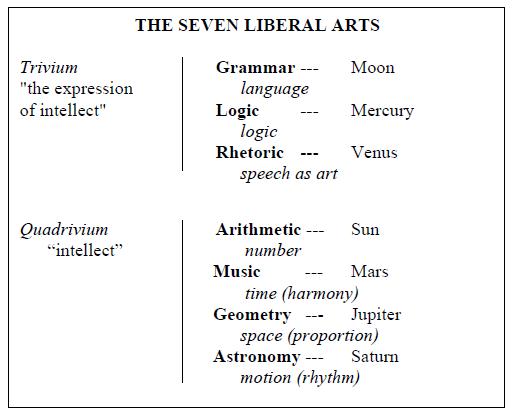
In realtà, è altrettanto probabile che Bernardo di Chartres facesse riferimento alla sintesi tra rivelazione delle scritture e pensiero greco (che proprio in quel XII secolo veniva riscoperto, tradotto dalle fonti arabe e studiato): sulla porta occidentale della Cattedrale sono rappresentate le 7 arti liberali, all’interno di un vertiginoso gioco di rimandi a suo tempo esplorato da Titus Burckhardt [“The Seven Liberal Arts and the West Door of Chartres Cathedral“, Studies in Comparative Religion, Vol. 3, No. 3 (Summer, 1969)]
Sia come sia, la metafora doveva essere una specie di luogo comune nel Medioevo, se la usa anche Isaia di Trani, un commentatore del Talmud vissuto tra il 1180 e il 1250:
Non ho mai dichiarato arrogantemente “La mia saggezza mi ha servito. Ho invece applicato a me stesso la parabola che ho sentito narrare dei filosofi. Il più saggio dei filosofi chiese: “Ammettiamo che i nostri predecessori erano più saggi di noi. E tuttavia critichiamo i loro commenti, rigettandoli e sostenendo che abbiamo ragione noi. Come è possibile?” Il saggio filosofo rispose: “Chi vede più lontano, un nano o un gigante? Di certo un gigante, perché i suoi occhi sono a un livello più alto di quelli del nano. Ma se il nano è seduto sulle spalle del gigante, che vede più lontano? … Anche noi siamo nani a cavalcioni sulle spalle di giganti. Possediamo tutta la loro saggezza e poi proseguiamo oltre. Diventiamo saggi e siamo in grado di affermare quanto affermiamo grazie alla loro saggezza, non perché siamo più grandi di loro.
Nonostante la popolarità medievale, il detto scompare per qualche centinaio d’anni. Riaffiora nel XVII secolo: Robert Burton, nella sua Anatomia della melancolia del 1621, l’attribuisce al mistico spagnolo Diego de Estella o Didacus Stella (“I say with Didacus Stella, a dwarf standing on the shoulders of a giant may see farther than a giant himself”) e i commentatori più tardi confondono il riferimento di Diego al Vangelo di Luca con un commento alla Pharsalia di Lucano (ma nessuno dei due testi è pertinente).
Il poeta gallese George Herbert, più o meno nello stesso periodo, introduce nella sua raccolta di proverbi Jacula Prudentium del 1651 il detto: “A dwarf on a giant’s shoulders sees farther of the two.”
Dopo la citazione newtoniana, che abbiamo già ricordato, la metafora diventa luogo comune.
La riprende Samuel Taylor Coleridge, in The Friend (1828): “The dwarf sees farther than the giant, when he has the giant’s shoulder to mount on.”
La contesta (e che altro v’aspettavate) Friedrich Nietzsche, opinando che un nano (cioè un accademico) non può che portare al suo livello di comprensione persino i più elevati pensieri. Nel capitolo di Così parlò Zarathustra intitolato “Della visione e dell’enigma”, Zarathustra scala una montagna con un nano sulle spalle (“Verso l’alto: – sebbene mi stesse addosso, quello spirito, metà nano, metà talpa; storpio, storpiante; facendo gocciolare piombo nelle mie orecchie, e pensieri pesanti come piombo nel mio cervello”). Giunti in vetta, il nano con capisce nulla e Zarathustra si imbufalisce: “O spirito della gravità – dissi con ira. – Non prender con leggerezza la cosa! Se no ti abbandono sul tuo sasso, o sciancato – e pure ti portai ben in alto!” D’altra parte, una decina d’anni prima, ne La filosofia nell’epoca tragica dei Greci(1873) Nietzsche aveva affermato che se nella storia della filosofia c’era qualche cosa che assomigliasse al progresso, non poteva che venire dai rari giganti, ognuno dei quali chiamava il suo fratello attraverso i desolati intervalli del tempo.
La usa Umberto Eco ne Il nome della rosa, per la risposta di Guglielmo da Baskerville alla lamentela di Nicola da Morimondo, il vetraio, sulla perdita della sapienza degli antichi e la fine dell’era dei giganti,
La parafrasa il Dr. Ian Malcom in Jurassic Park: “I’ll tell you the problem with the scientific power you’re using here: it didn’t require any discipline to attain it. You read what others had done, and you took the next step. You didn’t earn the knowledge for yourselves, so you don’t take any responsibility for it. You stood on the shoulders of geniuses to accomplish something as fast as you could, and before you even knew what you had, you, you’ve patented it, and packaged it, you’ve slapped it on a plastic lunchbox, and now [pounds table with fists] you’re selling it. [pounds table again] You want to sell it, well… […] your scientists were so preoccupied with whether they could that they didn’t stop to think if they should.”
È inscritta (STANDING ON THE SHOULDERS OF GIANTS) sul bordo della moneta bimetallica da 2 sterline del 1997, come implicito omaggio a Newton che fu, negli ultimi anni della sua vita, Warden e Master della Royal Mint).
I R.E.M. usano la frase “Standing on the shoulders of giants leaves me cold” (circa 0:30 nel video) nella canzone King of Birds:
Tutta questa fatica (che mi è costata quasi un’intera domenica di lavoro, in cui però ho imparato molte cose) per dirvi che ho scoperto un blog/rivista online/fiera delle delizie dedicato alla storia della scienza che si chiama The Giant’s Shoulders. Qui di seguito il link al numero più recente, il 45. Buon divertimento.
È in corso (12-18 marzo 2012) la Brain Awareness Week. Seguende l’esempio di Cell, la festeggiamo con 10 stupefacenti immagini a colori di tessuti cerebrali.
Oggi, 11 marzo 2012, Douglas Adams avrebbe compiuto 60 anni, se non fosse morto a 49 l’11 maggio 2001.
To celebrate this event, Douglas’ family and friends, in association with ‘Save The Rhino’ (one of Douglas’ favourite charities) are holding a very special birthday celebration in his honour at the Hammersmith Apollo in London. An evening’s entertainment from some of the finest names in the world of science, comedy, entertainment and music, with a very special premiere performance of Douglas’ material, this is one event that is definitely not to be missed.
Con le parole che scrisse Richard Dawkins il giorno della sua morte: «Science has lost a friend, literature has lost a luminary, the mountain gorilla and the black rhino have lost a gallant defender.»
wikipedia.org
The Ultimate Question of Life, the Universe and Everything (di cui per la verità abbiamo già parlato qui) tratto dalla versione televisiva BBC (e non dallo stupido filmetto di qualche anno fa).
There are of course many problems connected with life, of which some of the most popular are Why are people born? Why do they die? Why do they want to spend so much of the intervening time wearing digital watches?
Many many millions of years ago a race of hyperintelligent pandimensional beings (whose physical manifestation in their own pan-dimensional universe is not dissimilar to our own) got so fed up with the constant bickering about the meaning of life which used to interrupt their favourite pastime of Brockian Ultra Cricket (a curious game which involved suddenly hitting people for no readily apparent reason and then running away) that they decided to sit down and solve their problems once and for all.
And to this end they built themselves a stupendous super computer which was so amazingly intelligent that even before the data banks had been connected up it had started from I think therefore I am and got as far as the existence of rice pudding and income tax before anyone managed to turn it off .
It was the size of a small city.
[…]
The subtlest of hums indicated that the massive computer was now in total active mode. After a pause it spoke to them in a voice rich resonant and deep.
It said: “What is this great task for which I, Deep Thought, the second greatest computer in the Universe of Time and Space have been called into existence?”
[…]
“I speak of none but the computer that is to come after me!”
Fook was losing patience. He pushed his notebook aside and muttered, “I think this is getting needlessly messianic.”
“You know nothing of future time,” pronounced Deep Thought, “and yet in my teeming circuitry I can navigate the in nite delta streams of future probability and see that there must one day come a computer whose merest operational parameters I am not worthy to calculate, but which it will be my fate eventually to design.”
[…]
“O Deep Thought Computer,” he said, “the task we have designed you to perform is this. We want you to tell us . . . ” he paused, “. . . the Answer!”
“The answer?” said Deep Thought. “The answer to what?”
“Life!” urged Fook.
“The Universe!” said Lunkwill.
“Everything!” they said in chorus.
Deep Thought paused for a moment’s reflection.
“Tricky,” he said finally.
“But can you do it?”
Again, a signifi cant pause.
“Yes,” said Deep Thought, “I can do it.”
“There is an answer?” said Fook with breathless excitement.”
“A simple answer?” added Lunkwill.
“Yes,” said Deep Thought. “Life, the Universe, and Everything. There is an answer. But,” he added, “I’ll have to think about it.”
[…]
Fook glanced impatiently at his watch.
“How long?” he said.
“Seven and a half million years,” said Deep Thought.
Lunkwill and Fook blinked at each other.
“Seven and a half million years . . . !” they cried in chorus.
“Yes,” declaimed Deep Thought, “I said I’d have to think about it, didn’t I? And it occurs to me that running a programme like this is bound to create an enormous amount of popular publicity for the whole area of philosophy in general. Everyone’s going to have their own theories about what answer I’m eventually to come up with, and who better to capitalize on that media market than you yourself? So long as you can keep disagreeing with each other violently enough and slagging each other o in the popular press, you can keep yourself on the gravy train for life. How does that sound?”
[…]
“O people waiting in the Shadow of Deep Thought!” he cried out. “Honoured Descendants of Vroomfondel and Majikthise, the Greatest and Most Truly Interesting Pundits the Universe has ever known . . . The Time of Waiting is over!”
Wild cheers broke out amongst the crowd. Flags, streamers and wolf whistles sailed through the air. The narrower streets looked rather like centipedes rolled over on their backs and frantically waving their legs in the air.
“Seven and a half million years our race has waited for this Great and Hopefully Enlightening Day!” cried the cheer leader. “The Day of the Answer!”
Hurrahs burst from the ecstatic crowd.
“Never again,” cried the man, “never again will we wake up in the morning and think Who am I? What is my purpose in life? Does it really, cosmically speaking, matter if I don’t get up and go to work? For today we will finally learn once and for all the plain and simple answer to all these nagging little problems of Life, the Universe and Everything!”
[…]
There was a moment’s expectant pause whilst panels slowly came to life on the front of the console. Lights ashed on and o ff experimentally and settled down into a businesslike pattern. A soft low hum came from the communication channel.
“Good morning,” said Deep Thought at last.
“Er . . . Good morning, O Deep Thought,” said Loonquawl nervously, “do you have . . . er, that is . . . ”
“An answer for you?” interrupted Deep Thought majestically. “Yes. I have.”
The two men shivered with expectancy. Their waiting had not been in vain.
“There really is one?” breathed Phouchg.
“There really is one,” confi rmed Deep Thought.
“To Everything? To the great Question of Life, the Universe and Everything?”
“Yes.”
Both of the men had been trained for this moment, their lives had been a preparation for it, they had been selected at birth as those who would witness the answer, but even so they found themselves gasping and squirming like excited children.
“And you’re ready to give it to us?” urged Loonquawl.
“I am.”
“Now?”
“Now,” said Deep Thought.
They both licked their dry lips.
“Though I don’t think,” added Deep Thought, “that you’re going to like it.”
“Doesn’t matter!” said Phouchg. “We must know it! Now!”
“Now?” inquired Deep Thought.
“Yes! Now . . . ”
“All right,” said the computer and settled into silence again. The two men fidgeted. The tension was unbearable.
“You’re really not going to like it,” observed Deep Thought.
“Tell us!”
“All right,” said Deep Thought. “The Answer to the Great Question . . . ”
“Yes . . . !”
“Of Life, the Universe and Everything . . . ” said Deep Thought.
“Yes . . . !”
“Is . . . ” said Deep Thought, and paused.
“Yes . . . !”
“Is . . . ”
“Yes . . . !!!. . . ?”
“Forty-two,” said Deep Thought, with in finite majesty and calm.
It was a long time before anyone spoke.
Out of the corner of his eye Phouchg could see the sea of tense expectant faces down in the square outside.
“We’re going to get lynched aren’t we?” he whispered.
“It was a tough assignment,” said Deep Thought mildly.
“Forty-two!” yelled Loonquawl. “Is that all you’ve got to show for seven and a half million years’ work?”
“I checked it very thoroughly,” said the computer, “and that quite definitely is the answer. I think the problem, to be quite honest with you, is that you’ve never actually known what the question is.”
“But it was the Great Question! The Ultimate Question of Life, the Universe and Everything!” howled Loonquawl.
“Yes,” said Deep Thought with the air of one who suff ers fools gladly, “but what actually is it?”
A slow stupe fied silence crept over the men as they stared at the computer and then at each other. “Well, you know, it’s just Everything . . . Everything . . . ” o ffered Phouchg weakly.
“Exactly!” said Deep Thought. “So once you do know what the question actually is, you’ll know what the answer means.”
“Oh terrificc,” muttered Phouchg flinging aside his notebook and wiping away a tiny tear.
“Look, alright, alright,” said Loonquawl, “can you just please tell us the Question?”
“The Ultimate Question?”
“Yes!” “Of Life, the Universe, and Everything?”
“Yes!”
Deep Thought pondered this for a moment.
“Tricky,” he said.
“But can you do it?” cried Loonquawl.
Deep Thought pondered this for another long moment.
Finally: “No,” he said firmly.
Both men collapsed on to their chairs in despair.
“But I’ll tell you who can,” said Deep Thought.
They both looked up sharply.
“Who?”
“Tell us!”
[…]
“I speak of none other than the computer that is to come after me,” intoned Deep Thought, his voice regaining its accustomed declamatory tones. “A computer whose merest operational parameters I am not worthy to calculate – and yet I will design it for you. A computer which can calculate the Question to the Ultimate Answer, a computer of such infinite and subtle complexity that organic life itself shall form part of its operational matrix. And you yourselves shall take on new forms and go down into the computer to navigate its ten-million-year program! Yes! I shall design this computer for you. And I shall name it also unto you. And it shall be called . . . The Earth.”







 Sbagliando s'impera