Remember this, too: la fine di Guy Fawkes

A tutti i romantici ammiratori del V dell’omonimo film (V per Vendetta) di cui parla Leonardo (Tondelli) in un post del 19 dicembre 2012 (V per vendetta, B per Benigni) – ammiratori nelle cui file naturalmente ci sono anch’io, anche se per il fumetto più che per il film – mi pare opportuno ricordare la fine che fece il Guy Fawkes storico, l’organizzatore della congiura delle polveri del 5 novembre 1605. Nessun giorno è meglio di oggi, perché se il 5 novembre (remember, remember) è la data dell’attentato, tentato e sventato, il 31 gennaio (1606) è la data dell’esecuzione del nostro eroe (che peraltro non era per nulla un anarchico e meno che mai un hacker, ma un estremista cattolico).

wikimedia.org/wikipedia/commons

Naturalmente, Fawkes non fu giustiziato subito. Eravamo in Inghilterra, in fine dei conti, patria della magna charta e dell’habeas corpus: Fawkes ebbe un regolare processo. Oddio, diciamo che ebbe un processo.

Prima però fu torturato. All’inizio soltanto un po’, perché lo stesso re Giacomo I, presente al primo sommario interrogatorio di Fawkes – che era stato colto letteralmente con le mani nel sacco –, ne aveva ammirato quella che egli stasso definì «a Roman resolution». Alla domanda di spiegare a qual fine fosse in possesso di una così ingente quantità di esplosivo (oltre che di fiammiferi e innesco), Fawkes rispose infatti (pare): «to blow you Scotch beggars back to your native mountains.»

L’ammirazione del re non gli impedì di autorizzare la tortura (che era vietata, a meno che fosse richiesta esplicitamente dal monarca). Già in una lettera del 6 novembre, Giacomo I ne autorizzò il ricorso, prevedendone una sorta di escalation: «the gentler Tortures are to be first used unto him et sic per gradus ad ima tenditur». Il re formulò anche una lista di quesiti da sottoporre al congiurato.

Le torture non dovevano poi essere così gentili, o forse il gradus non era stato abbastanza graduale, perché Fawkes abbandonò ben presto il suo atteggiamento spavaldo e il 9 novembre firmò la sua confessione. Doveva essere piuttosto scosso: ne fa fede lo scarabocchio tremolante che appose in calce alla confessione (nella parte superiore dell’immagine sottostante), rispetto alla sua firma usuale (nella parte inferiore).

wikimedia.org/wikipedia/commons

Il processo ebbe inizio il 27 gennaio 1606 e si concluse subito con la condanna di Guy Fawkes e di altri 7 congiurati. Fawkes si dichiarò innocente, ma fu egualmente condannato per alto tradimento. La condanna fu eseguita il 31 gennaio.

Dal 1351, la pena per alto tradimento (to be drawn, hanged and quartered) era particolarmente crudele e spettacolare: il condannato veniva legato su una tavola di legno o un pezzo di staccionata e trascinato a testa in giù da un cavallo dalla prigione al luogo d’esecuzione (nel caso di Fawkes dalla Torre di Londra all’Old Palace Yard di Westminster), poi impiccato fino quasi al soffocamento, castrato, sbudellato e decapitato. A questo punto il cadavere veniva tagliato in 4 pezzi (squartato), inviati ai 4 angoli del regno come monito alla popolazione ed esposti alle intemperie e all’azione degli animali. Se avete visto Braveheart e non avete chiuso gli occhi per l’orrore, un’idea del supplizio dovreste avercela.

Tanto per aggiungere una bella dose di sadismo, Fawkes fu costretto ad assistere all’esecuzione di tre suoi compagni prima di lui. Salito per ultimo sulla forca, riuscì a saltare con il cappio al collo, morendo subito ed evitando la restante, cruenta parte del supplizio. Fu nondimeno squartato ed esposto ai 4 angoli del regno.

wikimedia.org/wikipedia/commons

Ascelle inodori: un aggiornamento

See on Scoop.itSpigolature

Surprising Science

A Lucky Two Percent of People Have a Gene for Stink-Free Armpits

But a new study finds most of them still use deodorant

Boris Limpopo‘s insight:

See on blogs.smithsonianmag.com

Perché non mi puzzano le ascelle

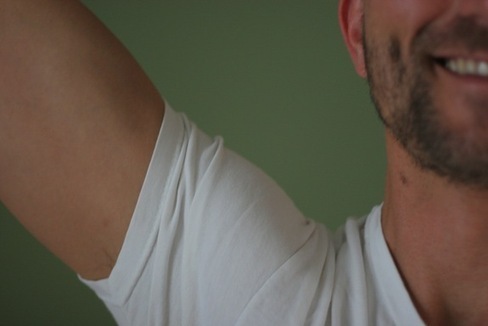
Ci sono delle fortunate persone – e io sono una di quelle – cui non puzzano le ascelle.

the-scientist.com / FLICKR, GREGG O’CONNELL

Finora non si sapeva con certezza il perché, ma una ricerca pubblicata il 17 gennaio 2013 sul Journal of Investigative Dermatology svela l’arcano: dipende dal polimorfismo di un singolo nucleotide (single-nucleotide polymorphism-SNP) localizzato nel gene ABCC11. L’allele rs17822931 A era già stato collegato all’odore delle ascelle (e al tipo di cerume), ma ora uno studio condotto su 17.000 persone mostra come tra le persone con 2 copie del gene sono 5 volte più frequenti coloro che non usano deodorante perché non ne avvertono la necessità, rispetto a coloro che non hanno questo allele o ne hanno una sola copia.

L’80% di coloro che hanno la coppia AA dell’allele, pur non emanando il tipico puzzo d’ascella, usa egualmente il deodorante: potenza della pubblicità! Purtroppo, il 5% di coloro che non hanno la coppia AA (e dunque puzzano!) non usa deodorante.

Ultima curiosità: l’allele A è più frequente nelle popolazioni dell’Asia dell’est.

Ho trovato la notizia qui: Genetic Deodorant | The Scientist Magazine®.

A single-nucleotide polymorphism (SNP) located in the ABCC11 gene dictates whether or not a person is likely to stock up on deodorant, according to a study published this week (January 17) in the Journal of Investigative Dermatology.

The variant, known as the rs17822931 A allele, has previously been linked to underarm odor (and earwax type), and now researchers at the University of Bristol in the United Kingdom have put it to the test. Drawing from data on some 17,000 people taking part in the Avon Longitudinal Study of Parents and Children, the team found that people carrying two copies of the A allele are five times more likely to never use deodorant or use it very infrequently, as compared to those carrying only one or no copies of the A allele.

Still, however, nearly 80 percent of white European AA individuals used deodorant. Worse, perhaps, some 5 percent of non-AA, or odor-producing, people did not use deodorant. “This is likely driven by sociocultural factors,” the authors wrote. “On the basis of genotype (and/or dry earwax), this group could elect to abandon the chemical exposures and costs of deodorant use. This represents a potential application of personalized genetics in personal hygiene.”

An interesting aside: there is ethnic diversity at the rs17822931 locus, with east Asians tending to have a higher than average frequency of allele A.

L’articolo originale del Journal of Investigative Dermatology, di Santiago Rodriguez, Colin D. Steer, Alexandra Farrow, Jean Golding e Ian N. M. Day, è disponibile liberamente qui: Dependence of Deodorant Usage on ABCC11 Genotype: Scope for Personalized Genetics in Personal Hygiene.

Gli ultimi uomini e la caduta degli dei

Soltanto nel corso degli anni Trenta gli occidentali scoprirono che le montagne all’interno della Nuova Guinea, finora ritenute inospitali e disabitate, erano invece la patria di numerose bande e tribù di aborigeni. Lo racconta Jared Diamond nel suo nuovo libro, The World Until Yesterday: What Can We Learn from Traditional Societies?.

Diamond ci invita anche ad assumere la prospettiva non degli esploratori occidentali, ma degli aborigeni stessi, che fino a quel momento avevano ritenuto di essere l’unico popolo esistente e non avevano neppure sospettato che potessero esistere altri uomini. La prima reazione fu di spavento e terrore, come reagiremmo noi se sbarcassero degli extraterrestri da un’astronave. Anzi, molto di più: perché noi almeno alla possibilità che gli extraterrestri esistano e possano un giorno arrivare qui siamo preparati da migliaia di narrazioni.

smh.com.au

Alcuni dei resoconti (uno per tutti: First Contact di Rob Connolly e Robin Anderson) hanno intervistato, molti anni dopo, alcuni dei protagonisti. Uno di loro racconta che, oltre a credere di essere soli al mondo, il suo popolo credeva che dopo la morte la pelle degli uomini diventasse bianca ed essi si trasferissero «in quell’altro posto», la terra dei morti. E che quindi gli esploratori occidentali, grossi e bianchi, fossero – si direbbe a Roma – “l’anime de li mortacci loro”. Probabilmente a questa credenza gli esploratori dovettero la vita.

Gli aborigeni cercarono dunque per prima cosa di collocare i visitatori all’interno del loro sistema di credenze e di categorie: sono umani come noi? che cosa sono venuti a fare qui? sono gli esseri immortali che vivono in cielo? sono spiriti? sono i fantasmi degli antenati?

A questo scopo, ne osservarono attentamente il comportamento e le abitudini e – dopo che se ne erano andati – passarono al setaccio tutto quello che avevano lasciato al loro campo. Nelle latrine, gli escrementi erano perfettamente uguali a quelli degli abitanti del villaggio. Alcune giovanette che si erano accompagnate sessualmente con gli esploratori riferirono che anche i genitali erano simili a quelli degli uomini della tribù. “Non sono dei o spiriti, sono uomini come noi,” conclusero saggiamente gli anziani.

Il cubetto di ghiaccio che ti avverte se stai bevendo troppo

Lo scorso novembre Dhairya Dand, studente al MIT, è andato in come etilico durante una festa. Un brutto campanello d’allarme.  In 3 settimane ha realizzato un cubetto di ghiaccio, Cheers, che – oltre a pulsare al ritmo della musica – cambia colore, dal verde al rosso, via via che bevi. Raggiunto un valore soglia, invia un SMS a una persona individuata in precedenza.

Credit::Cheers

Basato su una gelatina commestibile, qualche LED, un accelerometro, un timer e un trasmettitore è poco più che un giocattolo, o forse è una burla: come distinguere un sorso da una semplice oscillazione del bicchiere a ritmo di musica? come valutare la gradazione alcolica della bevanda? come tenere conto del sesso e della massa corporea del bevitore?

Ho ripreso la notizia da Salon (Super smart ice cube warns you when you drink too much – Salon.com) e da Popular Science (Glowing Ice Cubes Warn You When You Drink Too Much | Popular Science).

Perché stando a lungo in acqua vengono le righe sui polpastrelli?

È un argomento che mi perseguita e mi assilla da qualche decina d’anni. Fin da bambino, facendo il bagno in mare, a un certo punto i genitori mi intimavano: «Fammi vedere i polpastrelli!» Se erano segnati da profonde scanalature verticali (il che avveniva senza fallo) significava che era ora di uscire dall’acqua.

the-scientist.com/images / FLICKR, MEDDYGARNET

Non crediate che non mi sia e che abbia chiesto il perché. Le mie mattinate sulla spiaggia era un lungo fastidio (con la carnagione chiara e delicata la combinazione tra sole crema antisolare e sabbia è una tortura) interrotto da un brevissimo bagno alle 11:30. Del pomeriggio non parliamo neppure: riposino obbligatorio (non ho mai chiuso occhio) e poi per il bagno era troppo tardi. Di mattina, la lunga attesa era dovuta al rischio di congestione: non sapevo bene che cosa fosse, ma implicava una brutta morte, pare. Ma le scanalature dei polpastrelli? Che rischi comportavano?

Crescendo, divenuto un adolescente ribelle e soprattutto da quando mi sono sottratto alla patria potestà durante le vacanze (voglio dire, quando ho cominciato ad andare al mare con gli amici in campeggio e non con i genitori) sono stato in acqua mattina e pomeriggio per tutto il tempo che mi andava, con le dita così scanalate da far temere una trasformazione in pinne. All’altra regola, quella delle 2 ore dopo aver mangiato, mi sono sempre attenuto, perché ogni estate i giornali pubblicavano notizie di bagnanti stroncati dalla famigerata congestione. Ma non ho mai letto nulla su morti, e nemmeno su ricoveri al pronto soccorso, di persone che avevano disatteso il puntuale invito a uscire dall’acqua discretamente inviato dai polpastrelli.

Mi ero anche dato una spiegazione del fenomeno che ritenevo razionale: i polpastrelli si scanalano perché la pelle glabra delle palme delle mani e dei piedi è relativamente permeabile, si gonfia un po’ d’acqua e distendendosi si increspa (una superficie di pelle più ampia è confinata nello stesso spazio e si corruga, come accade nell’orogenesi). Un mio amico medico aveva confermato la mia ipotesi.

Che però è sbagliata (anche se è stata la spiegazione prevalente fino a poco tempo fa). Uno studio pubblicato ieri (8 gennaio 2013) sulle Biology Letters della gloriosa Royal Society britannica (una preziosa fonte di informazioni, di cui ci siamo già occupati qui) propone una nuova spiegazione: il fenomeno non è l’effetto di un rigonfiamento osmotico dello strato corneo (il più esterno) della pelle dei polpastrelli, ma – al contrario – di una riduzione del volume della carne dei polpastrelli, dovuto a una vasocostrizione indotta dal sistema nervoso autonomo. Il fatto che si tratti del risultato di un’azione del sistema nervoso, piuttosto che di una semplice reazione fisica (il rigonfiamento osmotico), rende più probabile che si tratti di un adattamento funzionale al contatto con l’acqua. Ma con quale funzione?

Lo studio di Kyriacos Kareklas, Daniel Nettle e Tom V. Smulders del Centro di scienze del comportamento e dell’evoluzione dell’Istituto di neuroscienze dell’Università di Newcastle (si può gratuitamente scaricare il .pdf dell’articolo Water-induced finger wrinkles improve handling of wet objects) avanza l’ipotesi che le rughe sui polpastrelli migliorino la manipolazione di oggetti sommersi o bagnati e la sottopone a test con un ingegnoso esperimento condotto su 20 volontari.

news.bbcimg.co.uk

La notizia l’ho trovata qui: The Reason for Wrinkled Fingers | The Scientist Magazine®.

Those unbecoming prune fingers after long baths may have evolved for a reason, according to a paper published this week (January 8) in Biology Letters. They study showed that people with wrinkly fingers were faster at sorting marbles and other objects in water than those with smooth fingers.

In 2011, another group had proposed that wrinkled fingers act like tire treads, improving traction and grip in slippery environments, but it wasn’t until now that the hypothesis had been tested. Researchers from Newcastle University in the United Kingdom asked volunteers to soak their fingers in warm water for 30 minutes before moving submerged objects from one side of a box with two sections, through a hole to the other side, where their other hand would catch the item and drop it through a final hole. People with wrinkled fingers completed the task 12 percent faster than when their fingers weren’t wrinkled.

Now the question is how prune fingers offer this advantage. “What we haven’t done yet is show why—to see if the wrinkles remove the water, or whether it’s some other feature of those wrinkles such as a change in their stickiness or plasticity, or something else,” lead researcher Tom Smulders told BBC News. “The next thing will be to measure precisely what’s happening at that interface between the objects and the fingers.”

Qui potete vedere un’intervista agli autori dell’articolo.

Otis Redding – (Sittin’ on) the Dock of the Bay

Secondo amazon.com (che me lo ha scritto nella sua newsletter mp3) oggi ricorrerebbe anche l’anniversario (il 45º in questo caso) della pubblicazione di questa bellissima canzone. Uso il condizionale perché Wikipedia si limita a dire che fu pubblicata nel gennaio del 1968.

Otis Redding l’aveva iniziata a scrivere a Sausalito in California nel giugno del 1967, mentre era (per l’appunto) su una barca ormeggiata. L’ha registrata il 6-7 dicembre 1967, pochi giorni prima dell’incidente aereo del 10 dicembre, nei pressi del Lago Monona, nei pressi di Madison nel Wisconsin, che ne causò la morte.

È una canzone bellissima e ogni scusa per ascoltarla è buona.

Richard Nixon (9 gennaio 1913-22 aprile 1994)

Se fosse ancora vivo, Richard Nixon compirebbe oggi 100 anni.

Fu da me odiato all’epoca: era difficile essere – nel 1968, per di più! – il primo presidente repubblicano dopo che Kennedy, che lo aveva sconfitto nel 1960, e Johnson ci avevano fatto sperare in un progresso illimitato – ancorché troppo lento per le nostre impazienze – della prosperità e dei diritti.

Ha avuto un momento di grandezza (e forse un raro sprazzo di sincerità, lui che era chiamato Tricky Dicky) nel discorso con cui si dimise, alle 9:01 di sera dell’8 agosto 1974.

wikimedia.org/wikipedia/commons

Ecco il testo:

Good evening.

This is the 37th time I have spoken to you from this office, where so many decisions have been made that shaped the history of this Nation. Each time I have done so to discuss with you some matter that I believe affected the national interest.

In all the decisions I have made in my public life, I have always tried to do what was best for the Nation. Throughout the long and difficult period of Watergate, I have felt it was my duty to persevere, to make every possible effort to complete the term of office to which you elected me.

In the past few days, however, it has become evident to me that I no longer have a strong enough political base in the Congress to justify continuing that effort. As long as there was such a base, I felt strongly that it was necessary to see the constitutional process through to its conclusion, that to do otherwise would be unfaithful to the spirit of that deliberately difficult process and a dangerously destabilizing precedent for the future.

But with the disappearance of that base, I now believe that the constitutional purpose has been served, and there is no longer a need for the process to be prolonged.

I would have preferred to carry through to the finish whatever the personal agony it would have involved, and my family unanimously urged me to do so. But the interest of the Nation must always come before any personal considerations.

From the discussions I have had with Congressional and other leaders, I have concluded that because of the Watergate matter I might not have the support of the Congress that I would consider necessary to back the very difficult decisions and carry out the duties of this office in the way the interests of the Nation would require.

I have never been a quitter. To leave office before my term is completed is abhorrent to every instinct in my body. But as President, I must put the interest of America first. America needs a full-time President and a full-time Congress, particularly at this time with problems we face at home and abroad.

To continue to fight through the months ahead for my personal vindication would almost totally absorb the time and attention of both the President and the Congress in a period when our entire focus should be on the great issues of peace abroad and prosperity without inflation at home.

Therefore, I shall resign the Presidency effective at noon tomorrow. Vice President Ford will be sworn in as President at that hour in this office.

As I recall the high hopes for America with which we began this second term, I feel a great sadness that I will not be here in this office working on your behalf to achieve those hopes in the next 21/2 years. But in turning over direction of the Government to Vice President Ford, I know, as I told the Nation when I nominated him for that office 10 months ago, that the leadership of America will be in good hands.

In passing this office to the Vice President, I also do so with the profound sense of the weight of responsibility that will fall on his shoulders tomorrow and, therefore, of the understanding, the patience, the cooperation he will need from all Americans.

As he assumes that responsibility, he will deserve the help and the support of all of us. As we look to the future, the first essential is to begin healing the wounds of this Nation, to put the bitterness and divisions of the recent past behind us, and to rediscover those shared ideals that lie at the heart of our strength and unity as a great and as a free people.

By taking this action, I hope that I will have hastened the start of that process of healing which is so desperately needed in America.

I regret deeply any injuries that may have been done in the course of the events that led to this decision. I would say only that if some of my Judgments were wrong, and some were wrong, they were made in what I believed at the time to be the best interest of the Nation.

To those who have stood with me during these past difficult months, to my family, my friends, to many others who joined in supporting my cause because they believed it was right, I will be eternally grateful for your support.

And to those who have not felt able to give me your support, let me say I leave with no bitterness toward those who have opposed me, because all of us, in the final analysis, have been concerned with the good of the country, however our judgments might differ.

So, let us all now join together in affirming that common commitment and in helping our new President succeed for the benefit of all Americans.

I shall leave this office with regret at not completing my term, but with gratitude for the privilege of serving as your President for the past 51/2 years. These years have been a momentous time in the history of our Nation and the world. They have been a time of achievement in which we can all be proud, achievements that represent the shared efforts of the Administration, the Congress, and the people.

But the challenges ahead are equally great, and they, too, will require the support and the efforts of the Congress and the people working in cooperation with the new Administration.

We have ended America’s longest war, but in the work of securing a lasting peace in the world, the goals ahead are even more far-reaching and more difficult. We must complete a structure of peace so that it will be said of this generation, our generation of Americans, by the people of all nations, not only that we ended one war but that we prevented future wars.

We have unlocked the doors that for a quarter of a century stood between the United States and the People’s Republic of China.

We must now ensure that the one quarter of the world’s people who live in the People’s Republic of China will be and remain not our enemies but our friends.

In the Middle East, 100 million people in the Arab countries, many of whom have considered us their enemy for nearly 20 years, now look on us as their friends. We must continue to build on that friendship so that peace can settle at last over the Middle East and so that the cradle of civilization will not become its grave.

Together with the Soviet Union we have made the crucial breakthroughs that have begun the process of limiting nuclear arms. But we must set as our goal not just limiting but reducing and finally destroying these terrible weapons so that they cannot destroy civilization and so that the threat of nuclear war will no longer hang over the world and the people.

We have opened the new relation with the Soviet Union. We must continue to develop and expand that new relationship so that the two strongest nations of the world will live together in cooperation rather than confrontation.

Around the world, in Asia, in Africa, in Latin America, in the Middle East, there are millions of people who live in terrible poverty, even starvation. We must keep as our goal turning away from production for war and expanding production for peace so that people everywhere on this earth can at last look forward in their children’s time, if not in our own time, to having the necessities for a decent life.

Here in America, we are fortunate that most of our people have not only the blessings of liberty but also the means to live full and good and, by the world’s standards, even abundant lives. We must press on, however, toward a goal of not only more and better jobs but of full opportunity for every American and of what we are striving so hard right now to achieve, prosperity without inflation.

For more than a quarter of a century in public life I have shared in the turbulent history of this era. I have fought for what I believed in. I have tried to the best of my ability to discharge those duties and meet those responsibilities that were entrusted to me.

Sometimes I have succeeded and sometimes I have failed, but always I have taken heart from what Theodore Roosevelt once said about the man in the arena, “whose face is marred by dust and sweat and blood, who strives valiantly, who errs and comes short again and again because there is not effort without error and shortcoming, but who does actually strive to do the deed, who knows the great enthusiasms, the great devotions, who spends himself in a worthy cause, who at the best knows in the end the triumphs of high achievements and who at the worst, if he fails, at least fails while daring greatly.”

I pledge to you tonight that as long as I have a breath of life in my body, I shall continue in that spirit. I shall continue to work for the great causes to which I have been dedicated throughout my years as a Congressman, a Senator, a Vice President, and President, the cause of peace not just for America but among all nations, prosperity, justice, and opportunity for all of our people.

There is one cause above all to which I have been devoted and to which I shall always be devoted for as long as I live.

When I first took the oath of office as President 51/2 years ago, I made this sacred commitment, to “consecrate my office, my energies, and all the wisdom I can summon to the cause of peace among nations.”

I have done my very best in all the days since to be true to that pledge. As a result of these efforts, I am confident that the world is a safer place today, not only for the people of America but for the people of all nations, and that all of our children have a better chance than before of living in peace rather than dying in war.

This, more than anything, is what I hoped to achieve when I sought the Presidency. This, more than anything, is what I hope will be my legacy to you, to our country, as I leave the Presidency.

To have served in this office is to have felt a very personal sense of kinship with each and every American. In leaving it, I do so with this prayer: May God’s grace be with you in all the days ahead.

Di seguito, il video della prima parte del discorso (fino a quando dice: «Therefore, I shall resign the Presidency effective at noon tomorrow.»).

Il 2012 di Sbagliando s’impera

Anche quest’anno WordPress.com mi ha mandato un rapporto annuale sulle attività di questo blog nel 2012. Lo condivido volentieri con voi.

wordpress.com

Un breve estratto (la buffa alternanza di italiano e inglese è di WordPress.com):

19,000 people fit into the new Barclays Center to see Jay-Z perform. This blog was viewed about 89.000 times in 2012. If it were a concert at the Barclays Center, it would take about 5 sold-out performances for that many people to see it.

Nel 2012, ci son stati 389 nuovi articoli, che hanno portato gli archivi totali del tuo blog a 1.609 articoli. […]

Il giorno più trafficato dell’anno è stato 30 agosto con 551 pagine lette. Il messaggio più popolare quel giorno fu Escrementi commestibili: l’ambra grigia.

Nel 2011 (quel rapporto è qui) avevo avuto 63.000 visite. L’incremento è stato del 42%: mica male, grazie a voi tutti.

Il rapporto di quest’anno, in versione integrale, lo trovate qui.

Contare le gazze

Oggi (28 dicembre 2012) a Roma è stata un’insperata giornata primaverile. Dopo un’alba nebbiosa si sono fatti strada: un sole smagliante, in primo luogo; una luce limpidissima (in secondo), un cielo terso (in terzo). Il tramonto si è poi riempito di una luce dorata e fosca quasi estiva.

Nel cielo di metà mattina, sopra il teatro dell’opera di Roma (anche se non mi sembra ci fosse Rossini in cartellone) si sono rincorse rumorosamente due gazze, facendo – appunto – una discreta gazzarra:

  1. Chiasso, baccano, dovuto di solito ad allegria esuberante e scomposta: far gazzarra; la gazzarra dei ragazzi nel cortile; una indecente, vergognosa gazzarra.
  2. anticamente: Strepito guerriero, d’armi o di grida, come manifestazione di giubilo: giunse l’ammiragliomenando gran gazzarra e trionfo (G. Villani); l’artiglieriacominciò a fare una lieta e spaventosa gazzarra (Varchi). Anche, sparo di fuochi artificiali.

Fin qui il solito Vocabolario Treccani. Peccato – e non potete immaginare quanto sia stata cocente la delusione per me, che di false etimologie mi nutro – che le gazze non abbiano nulla a che fare con la gazzarra, nonostante il loro verso sia rumoroso. Sempre secondo il Vocabolario Treccani gazzarra viene

dall’arabo ghazāra «folla, gran quantità», da cui anche lo spagn. algazara.

wikimedia.org/wikipedia/commons

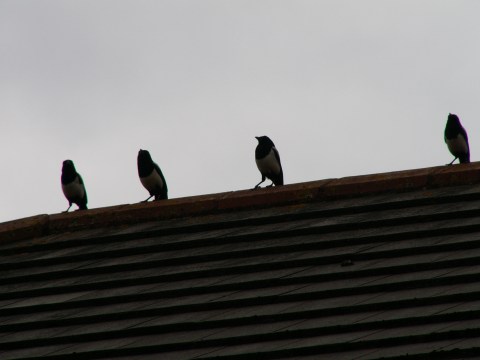
Come potete vedere da soli, è un uccello molto bello e caratteristico, e non stupisce che alla gazza siano legate molte leggende. Messaggero di morte e uccello del malaugurio nella mitologia germanica, in una famosa nursery rhyme i presagi si sono differenziati e legati al numero di esemplari avvistati. A me, a Dublino nel 1966, l’avevano insegnata così:

One for sorrow,
Two for joy,
Three for a marriage,
Four for a boy.

4 gazze su un tetto a Dublino

4 gazze su un tetto a Dublino

La versione completa della nursery rhyme, secondo Wikipedia, è questa:

One for sorrow,
Two for joy,
Three for a girl,
Four for a boy,
Five for silver,
Six for gold,
Seven for a secret,
Never to be told.

Ma una più antica (circa 1780, registrata nelle Observations on Popular Antiquitites di John Brand) conserva tutta l’antico legame con la morte:

One for sorrow,
Two for mirth,
Three for a wedding,
And four for death.

Quella riportata in una raccolta pubblicata a Londra nel 1846 (M. A. Denham. Proverbs and Popular Saying of the Seasons) elabora il tema più ampiamente, ma oscilla ancora – curiosamente, in varianti entrambe attestate – tra morte ed eventi gioiosi:

One for sorrow,
Two for luck [or mirth],
Three for a wedding,
Four for death [or birth],
Five for silver,
Six for gold;
Seven for a secret,
Not to be told;
Eight for heaven,
Nine for hell,
And ten for the devil’s own sell!

Tra le tante canzoni ispirate alla filastrocca, ho trovata bella (e inquietante) quella del giovane cantautore Patrick Wolf, in duetto con la misteriosa e sempreverde Marianne Faithfull:

PATRICK: Magpie, was it you who stole the wedding ring? Or what other thieving bird would steal such hope away? Magpie, I am lost among the hinterland, caught among the bracken and the fern and the boys who have no name.
MARIANNE: There’s no name for us.
PATRICK: Still we sing.
MARIANNE: And still we sing. little boy, little boy, lost and blue, listen now, let me tell you what to do. You can run on, run along, alone or home between the knees of her; all among her bracken and her ferns and the boy will have a name.
BOTH: We will sing.
MARIANNE: And we will sing.
MARIANNE: One for sorrow.
PATRICK: Two for joy.
MARIANNE: Three for a girl.
PATRICK: Four for a boy.
MARIANNE: Five for silver.
PATRICK: Six for gold.
MARIANNE: Seven for a secret, never to be told.

A questo punto Rossini è meno inquietante …

… o no?