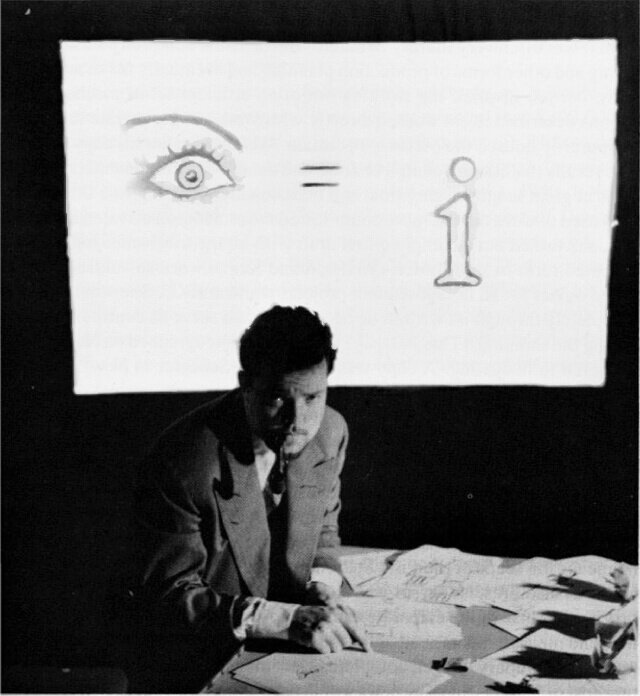
La Stampa: giornalisti cialtroni e notizie decotte

La Stampa del 21 gennaio 2012 ha pubblicato questa notiziola con allegato video:

Siamo a Presov, Slovacchia. Nell’atmosfera austera e suggestiva di una sinagoga il violinista Lukas Kmit sta tenendo un concerto quando all’improvviso irrompe in sala l’inconfondibile suoneria di un celllulare [il refuso è nell’articolo de La Stampa]. L’artista si stizzisce, ma subito reagisce rispondendo a tono.

Qui sotto il link, dove potete anche vedere il clip:

Squilla il telefono il violinista risponde “a tono”-VIDEO- LASTAMPA.it

Perché Giornalisti cialtroni e notizie decotte? Presto spiegato:

  1. Giornalisti cialtroni: è una viola, non un violino. E non è necessario essere esperti di strumenti musicali per non fare questo errore. Basta copiare con intelligenza e stare appena appena attenti alle traduzioni a orecchio.
  2. Notizie decotte: il video è stato caricato su YouTube il 30 luglio 2011, dunque circa 6 mesi fa. Controllate se non ci credete.
    E allora, vi chiederete (come peraltro mi chiedo io) perché La Stampa se ne accorge soltanto ora? Non lo so, naturalmente, ma ho un elemento in più: dell’episodio ha parlato Cory Doctorow sul suo blog boingboing il 24 gennaio – dunque Doctorow non può essere stato la fonte de La Stampa, ma forse c’è una fonte comune. Se qualcuno lo scopre, ce lo faccia sapere.

Naturalmente, non è la prima volta che un musicista reagisce in modo spiritoso alle onnipresenti suonerie dei telefonini (anche se sono molti di più quelli che fanno finta di niente o interrompono comprensibilmente sdegnati l’esecuzione). Ecco un altro esempio:

Tinker Tailor …

È abbastanza naturale che in questi giorni, in cui nelle sale italiane esce la versione cinematografica del romanzo La talpa di John le Carré (mi viene da scrivere il remake, perché tutti abbiamo in mente la versione televisiva BBC del 1979, trasmessa anche dalla tv italiana, con Alec Guinness nella parte di Smiley), si parli anche del titolo originale, Tinker, Taylor, Soldier, Spy.

Molti hanno ricordato l’origine del titolo (viene da una “conta” inglese, che individua nel libro 5 sospettati di essere la talpa), tra cui di recente il merlo canterino. Inoltre, wikipedia è (come al solito) molto esauriente.

Guinness as Smiley

guardian.co.uk

Perciò mi limiterei a riproporre la canzone degli Yardbirds (di cui abbiamo parlato più volte, qui, qui e qui), in cui Jimmy Page fa delle cose interessanti e sperimentali, suonando la chitarra con l’archetto, come un violino.

La seconda cosa che vorrei dire, e che non ho proprio trovato da nessuna parte, nemmeno nella documentatìssima voce di wikipedia citata poco fa, è il riferimento che (secondo me) fa alla filastrocca James Joyce, alla fine del penultimo capitolo dell’Ulysses, quello scritto a domande e risposte come un interrogatorio di polizia o il vecchio catechismo:

[…] Narrator: reclined laterally, left, with right and left legs flexed, the index finger and thumb of the right hand resting on the bridge of the nose, in the attitude depicted in a snapshot photograph made by Percy Apjohn, the childman weary, the manchild in the womb.

Womb? Weary?

He rests. He has travelled.

With?

Sinbad the Sailor and Tinbad the Tailor and Jinbad the Jailer and Whinbad the Whaler and Ninbad the Nailer and Finbad the Failer and Binbad the Bailer and Pinbad the Pailer and Minbad the Mailer and Hinbad the Hailer and Rinbad the Railer and Dinbad the Kailer and Vinbad the Quailer and Linbad the Yailer and Xinbad the Phthailer.

When?

Going to dark bed there was a square round Sinbad the Sailor roc’s auk’s egg in the night of the bed of all the auks of the rocs of Darkinbad the Brightdayler.

Where?

Gli individui non informati alla base del consenso democratico

Un articolo pubblicato su Science nel numero dello scorso 16 dicembre 2011 ha suscitato un enorme interesse anche tra i non addetti ai lavori.

È bene dire subito, per non cadere anche noi in un errore frequente, che abbiamo puntualmente denunciato, che la parte sperimentale della ricerca di Iain Couzin e dei suoi colleghi fa riferimento al comportamento dei pesci (anche se gli stessi autori concludono che “i loro risultati suggeriscono l’esistenza di un principio che potrebbe essere esteso alle decisioni auto-organizzate di agenti umani” – “these results suggest a principle that may extend to self-organized decisions among human agents.”)

Seguiamo il ragionamento degli autori: quando si tratta di assumere decisioni collettive, sono frequenti i conflitti d’interesse tra diversi membri del gruppo e il mancato raggiungimento del consenso può essere costoso. In queste circostanze, i singoli individui possono essere vittime della manipolazione di minoranze estremiste o comunque fortemente orientate. In passato, si è sostenuto – con riferimento tanto agli esseri umani quanto agli animali – che i gruppi sociali che comprendono individui disinformati o con preferenze deboli sono particolarmente vulnerabili alle manipolazioni. Nel loro articolo, gli autori sostengono – con argomentazioni teoriche ed evidenze sperimentali – che in molte situazioni una minoranza fortemente orientata può determinare la scelta dell’intero gruppo, ma che la presenza di individui disinformati inibisce spontaneamente questo processo e restituisce il controllo alla maggioranza numerica. I risultati presentati, in altre parole, sottolineano il ruolo degli individui disinformati nel raggiungimento del consenso democratico in contesti caratterizzati da vincoli informativi e da conflitti all’interno del gruppo.

L’articolo può essere raggiunto dal link qui sotto e (contrariamente alle abituali politiche di Science) scaricato integralmente.

Uninformed Individuals Promote Democratic Consensus in Animal Groups

Conflicting interests among group members are common when making collective decisions, yet failure to achieve consensus can be costly. Under these circumstances individuals may be susceptible to manipulation by a strongly opinionated, or extremist, minority. It has previously been argued, for humans and animals, that social groups containing individuals who are uninformed, or exhibit weak preferences, are particularly vulnerable to such manipulative agents. Here, we use theory and experiment to demonstrate that, for a wide range of conditions, a strongly opinionated minority can dictate group choice, but the presence of uninformed individuals spontaneously inhibits this process, returning control to the numerical majority. Our results emphasize the role of uninformed individuals in achieving democratic consensus amid internal group conflict and informational constraints.

Iain D. Couzin

icouzin.princeton.edu

Il CouzinLab dell’università di Princeton (eh sì, temo che Couzin, che compirà 38 anni il prossimo 11 febbraio, sia molto consapevole della sua bravura …) ha un programma di ricerca affascinante e ambizioso, che tocca corde a me molto care (chi mi conosce, soprattutto tra chi è stato mio studente, lo sa).

Animal groups such as bird flocks, fish schools and insect swarms frequently exhibit complex and coordinated behaviors that result from social interactions among individuals. A fundamental problem in a wide range of biological disciplines is understanding how functional complexity at a macroscopic scale (such as the functioning of a biological tissue) results from the actions and interactions among the individual components (such as the cells forming the tissue). Since they can be readily observed and manipulated animal groups present unrivaled opportunities to link the behavior of individuals with the functioning and efficiency of the dynamic group-level properties. The CouzinLab is a highly interdisciplinary environment with a closely integrated experimental and theoretical research program to elucidate the fundamental principles that underlie collective behavior across levels of biological organization.

Ma questo è un discorso che ci porterebbe molto lontano. Torniamo all’articolo sul ruolo degli individui disinformati nel raggiungimento del consenso democratico.

Notemigonus crysoleucas

wikipedia.org

La parte sperimentale dell’articolo è condotta su pesci appartenenti alla specie Notemigonus crysoleucas, un pesce d’acqua dolce che vive in branchi ed è naturalmente attratto dal colore giallo. I collaboratori di Couzin ne hanno addestrato la maggioranza ad andare contro i propri istinti e a nuotare verso un bersaglio blu a un’estremità dell’acquario e una minoranza a seguire la loro preferenza naturale nuotando verso il bersaglio giallo all’altra. Quando i ricercatori hanno messo insieme i due gruppi, la minoranza (chiamiamolo il “partito giallo”) ha prevalso sulla maggioranza (il “partito blu”) trascinando l’intero branco verso il bersaglio giallo nell’80% dei casi. L’attrazione naturale verso il giallo si traduce in una motivazione più forte dei singoli individui, che prevale anche quando sono una minoranza. Ma la situazione cambia radicalmente quando si aggiungono esemplari di Notemigonus crysoleucas che non sono stati sottoposti a nessun addestramento: al crescere dei pesci “disinformati” l’influenza del “partito giallo” declina rapidamente e la maggioranza del “partito blu” riprende il controllo di tutto il branco.

Ha commentato lo stesso Couzin:

Adding those individuals dramatically changes the outcome of group decision-making. They inhibit the minority and support the majority view, and this allows the majority to be heard and that view to dominate. We thought, ‘Wow, that’s kind of interesting,’ because you don’t normally think that adding uninformed individuals to decision-making processes would have that sort of democratizing effect.

Abbastanza prevedibilmente, l’articolo ha avuto una forte esposizione mediatica, soprattutto negli Stati Uniti. Un primo motivo è che, come abbiamo visto, Couzin e i suoi sono molto attenti alla loro immagine (e nel competitivo mondo dell’accademia statunitense non può essere altrimenti). In secondo luogo, il campo del modelli in cui comportamenti collettivi emergenti sono l’effetto delle decisioni di agenti singoli (ne abbiamo parlato anche noi a proposito di Thomas Schelling – qui, qui e qui – e di Mark Buchanan) è di grande interesse “ideologico” sia per chi si colloca “a destra”, nell’area dei super-liberisti fautori della supremazia del mercato come regolatore super-efficiente, sia per chi si schiera “a sinistra”, sul versante liberal e con qualche tinta anarchica dello schieramento democratico.

Peraltro il dibattito è stato stimolato da Science nello stesso numero, in un “editoriale” (Perspective) di Jevin D. West e Carl T. Bergstrom che si chiedeva se l’ignoranza può promuovere la democrazia (Can Ignorance Promote Democracy?):

Ideas are like fire, observed Thomas Jefferson in 1813 — information can be passed on without relinquishing it. Indeed, the ease and benefit of sharing information select for individuals to aggregate into groups, driving the buildup of complexity in the biological world. Once the members of some collective — whether cells of a fruit fly or citizens of a democratic society — have accumulated information, they must integrate that information and make decisions based upon it. When these members share a common interest, as do the stomata on the surface of a plant leaf, integrating distributed information may be a computational challenge. But when individuals do not have entirely coincident interests, strategic problems arise. Members of animal herds, for example, face a tension between aggregating information for the benefit of the herd as a whole, and avoiding manipulation by self-interested individuals in the herd. Which collective decision procedures are robust to manipulation by selfish players? On page 1578 of this issue, Couzin et al. show how the presence of uninformed agents can promote democratic outcomes in collective decision problems.

Lo stesso sito del CouzinLab tiene aggiornato una pagina dedicata alla reazione dei media all’articolo, completo dei link necessari a leggere gli articoli:

Media attention following our recent Science paper

Mi limito a segnalare l’articolo del Wall Street Journal, pubblicato lo scorso 7 gennaio 2012, che non mi pare sia stato incluso nella rassegna del CouzinLab ed è stato scritto da Jonah Lehrer, l’autore di How We Decide:

Why Ignorance Is Democracy’s Bliss

Le conclusioni di Lehrer mi lasciano molto perplesso:

Of course, many political scientists have criticized this extrapolation from golden shiners to democratic government, noting that not all independent voters are ignorant—some are simply moderate—and that a minority doesn’t always represent an extreme view.

Nevertheless, this research helps to explain the importance of indifference in a partisan age. If every voter was well-informed and highly opinionated, then the most passionate minority would dominate decision-making. There would be no democratic consensus—just clusters of stubborn fanatics, attempting to out-shout the other side. Hitler’s rise is the ultimate parable here: Though the Nazi party failed to receive a majority of the votes in the 1933 German election, it was able to quickly intimidate the opposition and pass tyrannical laws.

So the next time a poll reveals the ignorance of the voting public, remember those fish. It’s the people who don’t know very much who make democracy possible.

Camera dei deputati

wikipedia.org

I scarp del tennis

Era l’agosto del 1964. Avevo fatto la prima media. Nel mio crescere avevo incontrato un primo vero dolore: a marzo la nonna, quella con cui avevo passato tanti mesi quando ancora non andavo a scuola e sempre tutte le estati, aveva avuto un’emorragia cerebrale e da allora non aveva ripreso coscienza. Respiravo il dolore di mio padre. Il nonno sembrava impazzito.

Anche le nostre vacanze erano cambiate. Non eravamo andati al mare con i nostri genitori. Andammo però ad agosto per qualche giorno a Pontedilegno: ero stato una sola volta in montagna, ma ero troppo piccolo per avere ricordi che non fossero confusi. Al mare prendevamo in affitto una casa. Questo era un albergo, che io ricordo grande e di pietra grigia: dominava il paese, da cui era separato da una breve salita (forse quello della foto, ma non ne sono certo).

C’erano altri coetanei, con cui creammo un piccolo gruppo e con cui giocavamo insieme. Preferivamo giocare che andare in gita con la mamma. Anzi, nessuna gita se non venivano tutti gli amici del gruppo.

Nel gruppo, naturalmente, c’erano delle bambine. Una mi piaceva particolarmente: un primo segno della transizione verso l’adolescenza. Capiamoci: non il primo amore, ma la prima volta che una bambina che non fosse mia sorella suscitava in me un minimo interesse.

Mi sembrava, confusamente, di essere più grande dell’anno prima e anche di pochi mesi prima.

Una sera, dei ragazzi un po’ più grandi di noi (liceali, direi, non universitari) organizzarono una specie di festicciola o spettacolo. Lì sentii per la prima volta quella strana canzone, in milanese e non in italiano, che non aveva facili rime che parlavano d’amore, ma che raccontava una storia (che non capivo neppure bene) di un barbone sulla strada dell’idroscalo.

La guerra dei mondi

73 anni fa, il 30 ottobre 1938, andò in onda una delle più famose trasmissioni radiofoniche di tutti i tempi, The War of the Worlds di Orson Welles, trasmessa dalla CBS.

Orson Welles nel 1937

Wikipedia.org

Benché la trasmissione si apra con una citazione del romanzo di H. G. Wells da cui era tratta – il romanzo, ambientato a Londra, era stato pubblicato nel 1898; l’autore era ancora vivente – e sia ambientata nel 1939, cioè nel futuro, era costruita come un notiziario dal vivo e fece cadere in errore molti (ingenui?) ascoltatori.

Un numero musicale viene interrotto dalla notizia di strane esplosioni su Marte. L’emittente intervista un luminare (presentato come professore di astronomia a Princeton, interpretato dallo stesso Orson Welles) che nega ci possa essere vita su Marte. Uno strano cilindro atterra nel New Jersey. La CBS manda un inviato, che viene arrostito insieme alla folla dei curiosi, mentre è collegato con la radio: la sua voce si interrompe a metà frase. Torna il professore e questa volta specula sulla tecnologia marziana. Il Pentagono rassicura che nessuna armata può resistere all’esercito americano, che viene invece sbaragliato da tre tripodi marziani. Interviene un (falso) sottosegretario del Ministero degli interni (Welles chiese all’attore di imitare la voce del presidente F. D. Roosevelt). Si finge un collegamento con una batteria d’artiglieria. I marziani spargono un gas nero velenoso e gli artiglieri muoiono soffocati da accessi di tosse. Ormai cadono decine di cilindri sul territorio americano. Un reporter si collega dal tetto della sede della CBS a Manhattan e descrive i tripodi che guadano l’Hudson spargendo il tossico fumo nero. Descrive i newyorkesi che muoiono come mosche o si gettano nell’East River in cerca di un’impossibile salvezza. Lui stesso muore. Resta soltanto la voce disperata di un radioamatore: “”2X2L calling CQ. Non c’è nessuno in onda? Non c’è nessuno in onda? Non c’è … nessuno?”.

Soltanto a questo punto – ma sono passati circa 40 minuti – si ricorda che la trasmissione è una fiction.

La trasmissione generò un diluvio di polemiche. Molti non avevano seguito la trasmissione dall’inizio. Il panico dilagò. Ci fu chi chiamò la polizia o la CBS testimoniando di aver visti i cilindri atterrare, visto e sentito i bagliori delle esplosioni, respirato l’acre gas velenoso. I giornali (che non volevano perdere l’occasione di denigrare un concorrente pericoloso come la radio) attaccarono Welles e la CBS: gli articoli pubblicati furono più di 12.500. Lo stesso Hitler commentò l’episodio come “una prova della decadenza e della condizione corrotta della democrazia.” Secondo alcuni, il precedente fece accogliere con scetticismo l’annuncio dell’attacco giapponese a Pearl Harbor 3 anni più tardi.

La prima pagina del NYT, 31.10.1938

Wikipedia.org

Permettetemi un po’ di scetticismo e un po’ d’ironia. La trasmissione (The Mercury Theatre on the Air) andava in onda tutte le settimane dall’11 luglio di quell’anno e proponeva ogni volta un adattamento (un radiodramma) da un famoso testo letterario. Quella del 30 ottobre era la 14ma puntata. Ben più importante: era la puntata di Halloween.

Non era nemmeno la prima volta che si usava il “trucco” del finto notiziario: nel 1874 il New York Herald aveva pubblicato la falsa notizia di una fuga di animali feroci dallo zoo del Central Park (con effetti analoghi sulla credulità popolare). Nel 1926, la BBC aveva trasmesso un finto reportage dal vivo di Roland Knox su disordini di piazza a Londra. Anche il commediografo Archibald MacLeish aveva messo in scena due lavori (The Fall of the City e Air Raid) basati sullo stesso “trucco”. Nel primo lo stesso Orson Welles aveva interpretato il ruolo di un reporter radiofonico.

Sia come sia, la trasmissione consacrò la fama del 23enne Orson Welles.

Ho parlato abbastanza. Mi sembra arrivato il momento di ascoltare la trasmissione originale:

The War of the Worlds

Satrapo

Secondo il Vocabolario Treccani:

  1. a. Governatore di una provincia dell’antico impero persiano, con ampî poteri politici, amministrativi e militari.
    b. Per estensione, monarca di un paese orientale: Anzi nuocer parea molto più forte A re, a signori, a principi, a satràpi (Ariosto); Mariterò le mie dolci sorelle Ai sàtrapi dell’Asia spaziosa (D’Annunzio).
  2. (figurato) Persona, investita di un certo potere, che ostenta e fa pesare la sua autorità, che esercita il suo ufficio con grande sussiego, dandosi un’importanza sproporzionata alla carica: certi sàtrapi dell’istruzione pubblica (Carducci); anche, persona che vive tra gli agi e le ricchezze: fare il satrapo; condurre una vita da satrapo. ◆ Il femminile satrapéssa indica, più che la moglie di un satrapo, una donna troppo autoritaria.

Alessandro Magno contro i persiani

Parola con una storia lunghissima. All’italiano arriva dal latino satrăpes (o satrăpa o satraps) –ăpis, che a sua volta viene dal greco σατράπης, che a sua volta viene dall’antico persiano xšaθrapāvā o *khshathra-pa-.

All’estendersi dell’impero persiano, l’amministrazione di aree vaste e popolose divenne un problema e, allo scopo di suddividere amministrativamente i territori conquistati, Ciro il Grande (558-529 BCE) pensò bene di istituire questa magistratura, preponendovi membri della famiglia reale o nobili di rango elevato. I poteri e il grado di autonomia dei satrapi erano molto vasti, spaziando dall’amministrazione della giustizia, alla riscossione dei tributi, al reclutamento per l’esercito del “Gran Re”. Il loro operato era controllato annualmente da funzionari reali itineranti, chiamati “gli occhi” e “le orecchie” del Gran Re. Forniti di estesi poteri amministrativi, militari e giudiziari all’interno della propria provincia, di fatto i satrapi erano principi vassalli. Nelle regioni periferiche, praticavano una forte autonomia dal potere centrale, giungendo anche alla rivolta (come quella che intorno al 360 BCE dilagò dall’Asia Minore all’Egitto). Con Alessandro Magno i satrapi conservarono i poteri civili, ma persero quelli militari (adattato da Wikipedia).

La parola persiana, xšaθrapāvā, è una parola composta da *khshathra- (regno: dalla stessa radice deriva il moderno šāh, quello dello Scià di Persia che fu destituito dalla rivoluzione di Khomeini) e un derivato di *pāti (che vale “colui che protegge”): dunque il satrapo è il protettore del regno. In sanscrito kṣatra significa “tetto, ombrello, dominio, potenza, governo” (dalla radice kṣī “governare”). Gli Kshatriya o Kashtriya (“guerrieri”) sono uno dei 4 ordini (varna), quello dell’élite militare, del sistema sociale vedico-indù. Le altre classi sono quelle dei brahmana (sacerdoti e uomini di legge), dei vaishya (mercanti e imprenditori) e dei sudra (contadini e operai). Sulla comune tripartizione funzionale di società, ideologia e religione degli antichi popoli indoeuropei – funzione sacrale e giuridica, funzione guerriera e funzione produttiva – Georges Dumézil ha scritto opere celebri (e discusse, ma comunque a mio parere assolutamente memorabili).

Arlecchino

Arlecchino compare nella Commedia dell’arte già nella seconda metà del XVI secolo e assume le caratteristiche attuali (il servo ignorante e astuto, sempre affamato, con il caratteristico costume a losanghe colorate) nel XVIII.

Arlecchino

wikipedia.it

Per noi è ormai una maschera carnevalesca buffa e rassicurante, ma Arlecchino nasconde un’origine diabolica come testimonia – oltre al nome – il ghigno nero.

Il nome, dicevamo: Arlecchino (Arlequin in francese e Harlequin in inglese) è la deformazione del tedesco Hölle König (“re dell’inferno”), poi Helleking, poi Harlequin. Nelle credenze pagane dell’antica Europa (poi assimilate alla stregoneria dall’egemonia cristiana: leggetevi la bella Storia notturna di Carlo Ginzburg), nel periodo invernale, quando predominavano le tenebre, le divinità infernali guidavano un corteo di morti, la Caccia selvaggia o Armata furiosa. Secondo Orderico Vitale, che ne parla nella sua Historia Ecclesiastica, questo corteo era noto anche come familia Herlechini, guidato da un demone gigante (Arlecchino, appunto).

Anche Dante nell’Inferno (XXI, 118-123) annovera Arlecchino tra i diavoli:

Tra’ ti avante, Alichino, e Calcabrina,

cominciò elli a dire, “e tu, Cagnazzo;

e Barbariccia guidi la decina

Libicocco vegn’oltre e Draghignazzo,

Cirïatto sannuto e Graffiacane

e Farfarello e Rubicante pazzo.

In tedesco il re dell’inferno (Hölle König) si trasforma in re degli elfi (Erlkönig) e, come tale, ci regala questo bellissimo (e agghiacciante)Lied di Schubert (su testo di Goethe).

Ve lo propongo in 3 versioni, ma prima il testo, che vi farà capire meglio la bellezza dell’invenzione di Schubert.

Wer reitet so spät durch Nacht und Wind?

Es ist der Vater mit seinem Kind;

Er hat den Knaben wohl in dem Arm,

Er faßt ihn sicher, er hält ihn warm.

Mein Sohn, was birgst du so bang dein Gesicht? –

Siehst Vater, du den Erlkönig nicht?

Den Erlenkönig mit Kron und Schweif? –

Mein Sohn, es ist ein Nebelstreif. –

»Du liebes Kind, komm, geh mit mir!

Gar schöne Spiele spiel ich mit dir;

Manch bunte Blumen sind an dem Strand,

Meine Mutter hat manch gülden Gewand.«

Mein Vater, mein Vater, und hörest du nicht,

Was Erlenkönig mir leise verspricht? –

Sei ruhig, bleibe ruhig, mein Kind;

In dürren Blättern säuselt der Wind. –

»Willst, feiner Knabe, du mit mir gehn?

Meine Töchter sollen dich warten schön;

Meine Töchter führen den nächtlichen Reihn

Und wiegen und tanzen und singen dich ein.«

Mein Vater, mein Vater, und siehst du nicht dort

Erlkönigs Töchter am düstern Ort? –

Mein Sohn, mein Sohn, ich seh es genau:

Es scheinen die alten Weiden so grau. –

»Ich liebe dich, mich reizt deine schöne Gestalt;

Und bist du nicht willig, so brauch ich Gewalt.«

Mein Vater, mein Vater, jetzt faßt er mich an!

Erlkönig hat mir ein Leids getan! –

Dem Vater grauset’s, er reitet geschwind,

Er hält in den Armen das ächzende Kind,

Erreicht den Hof mit Mühe und Not;

In seinen Armen das Kind war tot.

Traduzione

Chi cavalca così tardi per la notte e il vento?

È il padre con il suo figlioletto;

se l’è stretto forte in braccio,

lo regge sicuro, lo tiene al caldo.

“Figlio, perché hai paura e il volto ti celi?”

“Non vedi, padre, il re degli Elfi?

Il re degli Elfi con la corona e lo strascico?”

“Figlio, è una lingua di nebbia, nient’altro.”

“Caro bambino, su, vieni con me!

Vedrai i bei giochi che farò con te;

tanti fiori ha la riva, di vari colori,

mia madre ha tante vesti d’oro”.

“Padre mio, padre mio, la promessa non senti,

che mi sussurra il re degli Elfi?”

“Stai buono, stai buono, è il vento, bambino mio,

tra le foglie secche, con il suo fruscio.”

“Bel fanciullo, vuoi venire con me?

Le mie figlie avranno cura di te.

Le mie figlie di notte guidano la danza

ti cullano, ballano, ti cantano la ninna-nanna”.

“Padre mio, padre mio, in quel luogo tetro non vedi

laggiù le figlie del re degli Elfi?”

“Figlio mio, figlio mio, ogni cosa distinguo;

i vecchi salci hanno un chiarore grigio.”

“Ti amo, mi attrae la tua bella persona,

e se tu non vuoi, ricorro alla forza”.

“Padre mio, padre mio, mi afferra in questo istante!

Il re degli Elfi mi ha fatto del male!”

Preso da orrore il padre veloce cavalca,

il bimbo che geme, stringe fra le sue braccia,

raggiunge il palazzo con stento e con sforzo,

nelle sue braccia il bambino era morto.

Dietrich Fischer-Dieskau, l’interpretazione di riferimento (con Gerald Moore al pianoforte):

Una versione orchestrata (da Hector Berlioz) con Anne Sofie von Otter (brava e bella) e Claudio Abbado che dirige la Chamber Orchestra of Europe:

Una spettacolare interpretazione della trascrizione di Liszt per pianoforte solo (vi assicuro che è anche tremendamente difficile) eseguita dal vivo da Sviatoslav Richter l’8 dicembre 1949 a Mosca:

Think Different

Un coro unanime: Steve Jobs santo subito! Sono refrattario a ogni santificazione e idolatria, e questa roba mi sta venendo a noia.

E però non resisto alla tentazione di mettere qui sotto il famoso spot “Think Different” del 1997, se non sbaglio la prima campagna pubblicitaria dopo il rientro in Apple di Steve Jobs. Non resisto per 2 motivi: il primo è che – anche se ovviamente lo spot è stato realizzato da un’agenzia di pubblicità – testimonia molto bene dell’appartenenza di Jobs alla controcultura anni Sessanta di cui parlavo ieri qui. Il secondo è che questa versione, che non è mai stata trasmessa in tv, è recitata da Jobs stesso (la versione trasmessa fu doppiata dall’attore Richard Dreyfuss).

I riferimenti (contro)culturali sono piuttosto evidenti nel testo che Jobs legge:

Here’s to the crazy ones. The misfits. The rebels. The troublemakers. The round pegs in the square holes. The ones who see things differently. They’re not fond of rules. And they have no respect for the status quo. You can quote them, disagree with them, glorify or vilify them. About the only thing you can’t do is ignore them. Because they change things. They push the human race forward. And while some may see them as the crazy ones, we see genius. Because the people who are crazy enough to think they can change the world, are the ones who do.

Ma ancora di più nella sequenza delle persone che scorrono sullo schermo:

Albert Einstein, Bob Dylan, Martin Luther King, Richard Branson, John Lennon, Buckminster Fuller, Thomas Edison, Muhammad Ali, Ted Turner, Maria Callas, Mahatma Gandhi, Amelia Earhart, Alfred Hitchcock, Martha Graham, Jim Henson (con Kermit the Frog), Frank Lloyd Wright e Pablo Picasso.

E una bambina che apre gli occhi sul mondo, o forse ha appena espresso un desiderio prima di soffiare sulla torta del compleanno …

Stay Hungry, Stay Foolish [2]

Oggi, il giorno dopo la morte di Steve Jobs, molti lo commemorano ricordando il famoso discorso fatto a Stanford del 2005. Noi, su questo blog, l’avevamo già fatto il 25 agosto scorso, il giorno dopo quello in cui Jobs si era dimesso dalle sue cariche alla Apple (il post di allora è qui).

Mi limito oggi a 3 considerazioni:

  1. Jobs era un figlio della controcultura degli anni Sessanta, quella che qui da noi chiamiamo il Sessantotto, e che in America è stato un misto di hippies, Vietnam, psichedelia e compagnia cantante (lo stesso motto Stay Hungry, Stay Foolish è tratto da un prodotto di culto di quell’epoca, il Whole Earth Catalog) . Per capirsi, Zabriskie Point di Michelangelo Antonioni. Steve Jobs ha cambiato il mondo, in modo visibile e coerentemente con gli ideali e le aspettative di allora, anche se forse in modi e direzioni diverse da quelle che allora l’ideologia ci dettava. Ha democratizzato la conoscenza e umanizzato la tecnologia, mettendola nella mani di molti, se non di tutti. Molti altri l’hanno fatto, anche se in modo meno visibile di lui, e allora forse la nostra non è stata del tutto una generazione buttata.
  2. Jobs era anche il figlio di un immigrato siriano, e fu sùbito dato in adozione. Che 2 dei rappresentanti più simbolicamente significativi degli Stati Uniti d’America di oggi (l’altro è Barack Obama) siano figli di musulmani dà da pensare (anche se in realtà non so bene cosa).
  3. Dei tanti messaggi di cordoglio e di commemorazione che si sono succeduti in queste ore (ne ho trovato un bel riassunto qui), vorrei citare quello che possiamo considerare il necrologio di Steve Jobs scritto da lui stesso (è anche questo un brano del discorso di Stanford):

Your time is limited, so don’t waste it living someone else’s life. Don’t be trapped by dogma — which is living with the results of other people’s thinking. Don’t let the noise of others’ opinions drown out your own inner voice. And most important, have the courage to follow your heart and intuition. They somehow already know what you truly want to become. Everything else is secondary.

Stay Hungry, Stay Foolish

Lo so che oggi l’hanno fatto un po’ tutti, ma ho 2 giustificazioni per farlo anch’io.

La prima è che sono un melàmane antemarcia (anche se, come molti, ho tradito più d’una volta). Il mio primo Apple II (IIe per la verità) è arrivato in casa alla fine di luglio del 1983, poco più di 2 mesi prima della nascita del mio primogenito. Ricordo (e se non lo faccio io lo fa mia moglie) di essere rimasto in macchina a fare la guardia al “pupo”, mentre lei faceva una visita di controllo. Aveva ben 128k di RAM, uno schermo a fosfori verdi a 80 colonne (di caratteri, niente grafica) e 2 unità floppy (5,25″, 140k di capienza). Veniva in una specie di scatola di montaggio, e ricordo ancora la sudata per mettere insieme tutti i componenti (sono ambisinistro, come mi definì una fidanzata). Si programmava in Basic e in Pascal. Costava come una Panda (la macchina che avevo all’epoca).

La seconda è che anch’io, nel mio piccolo naturalmente, mi considero un innovatore, o almeno aspiro a esserlo. E la vicenda umana di Steve Jobs, quasi mio coetaneo, mi fa pensare che devo continuare a esserlo, senza mollare, almeno finché continuo a lavorare.

Ah, e per favore qualcuno ricordi che Steve Jobs ha anche fondato la Pixar.

Eccolo qui il famoso discorso fatto a Stanford del 2005.

Questa la trascrizione:

The 2005 Jobs Stanford Commencement Address:

I am honored to be with you today at your commencement from one of the finest universities in the world. I never graduated from college. Truth be told, this is the closest I’ve ever gotten to a college graduation. Today I want to tell you three stories from my life. That’s it. No big deal. Just three stories.

The first story is about connecting the dots.

I dropped out of Reed College after the first six months, but then stayed around as a drop-in for another 18 months or so before I really quit. So why did I drop out?

It started before I was born. My biological mother was a young, unwed college graduate student, and she decided to put me up for adoption. She felt very strongly that I should be adopted by college graduates, so everything was all set for me to be adopted at birth by a lawyer and his wife. Except that when I popped out they decided at the last minute that they really wanted a girl. So my parents, who were on a waiting list, got a call in the middle of the night asking: “We have an unexpected baby boy; do you want him?” They said: “Of course.” My biological mother later found out that my mother had never graduated from college and that my father had never graduated from high school. She refused to sign the final adoption papers. She only relented a few months later when my parents promised that I would someday go to college.

And 17 years later I did go to college. But I naively chose a college that was almost as expensive as Stanford, and all of my working-class parents’ savings were being spent on my college tuition. After six months, I couldn’t see the value in it. I had no idea what I wanted to do with my life and no idea how college was going to help me figure it out. And here I was spending all of the money my parents had saved their entire life. So I decided to drop out and trust that it would all work out okay. It was pretty scary at the time, but looking back it was one of the best decisions I ever made. The minute I dropped out I could stop taking the required classes that didn’t interest me, and begin dropping in on the ones that looked interesting.

It wasn’t all romantic. I didn’t have a dorm room, so I slept on the floor in friends’ rooms, I returned Coke bottles for the 5-cent deposits to buy food with, and I would walk the seven miles across town every Sunday night to get one good meal a week at the Hare Krishna temple. I loved it. And much of what I stumbled into by following my curiosity and intuition turned out to be priceless later on. Let me give you one example:

Reed College at that time offered perhaps the best calligraphy instruction in the country. Throughout the campus every poster, every label on every drawer, was beautifully hand calligraphed. Because I had dropped out and didn’t have to take the normal classes, I decided to take a calligraphy class to learn how to do this. I learned about serif and san serif typefaces, about varying the amount of space between different letter combinations, about what makes great typography great. It was beautiful, historical, artistically subtle in a way that science can’t capture, and I found it fascinating.

None of this had even a hope of any practical application in my life. But 10 years later, when we were designing the first Macintosh computer, it all came back to me. And we designed it all into the Mac. It was the first computer with beautiful typography. If I had never dropped in on that single course in college, the Mac would have never had multiple typefaces or proportionally spaced fonts. And since Windows just copied the Mac, its likely that no personal computer would have them. If I had never dropped out, I would have never dropped in on this calligraphy class, and personal computers might not have the wonderful typography that they do. Of course it was impossible to connect the dots looking forward when I was in college. But it was very, very clear looking backwards 10 years later.

Again, you can’t connect the dots looking forward; you can only connect them looking backwards. So you have to trust that the dots will somehow connect in your future. You have to trust in something–your gut, destiny, life, karma, whatever. This approach has never let me down, and it has made all the difference in my life.

My second story is about love and loss.

I was lucky–I found what I loved to do early in life. Woz and I started Apple in my parents garage when I was 20. We worked hard, and in 10 years Apple had grown from just the two of us in a garage into a $2 billion company with over 4000 employees. We had just released our finest creation–the Macintosh–a year earlier, and I had just turned 30. And then I got fired. How can you get fired from a company you started? Well, as Apple grew we hired someone who I thought was very talented to run the company with me, and for the first year or so things went well. But then our visions of the future began to diverge and eventually we had a falling out. When we did, our Board of Directors sided with him. So at 30, I was out. And very publicly out. What had been the focus of my entire adult life was gone, and it was devastating.

I really didn’t know what to do for a few months. I felt that I had let the previous generation of entrepreneurs down–that I had dropped the baton as it was being passed to me. I met with David Packard and Bob Noyce and tried to apologize for screwing up so badly. I was a very public failure, and I even thought about running away from the Valley. But something slowly began to dawn on me–I still loved what I did. The turn of events at Apple had not changed that one bit. I had been rejected, but I was still in love. And so I decided to start over.

I didn’t see it then, but it turned out that getting fired from Apple was the best thing that could have ever happened to me. The heaviness of being successful was replaced by the lightness of being a beginner again, less sure about everything. It freed me to enter one of the most creative periods of my life.

During the next five years, I started a company named NeXT, another company named Pixar, and fell in love with an amazing woman who would become my wife. Pixar went on to create the worlds first computer animated feature film, “Toy Story,” and is now the most successful animation studio in the world. In a remarkable turn of events, Apple bought NeXT, I returned to Apple, and the technology we developed at NeXT is at the heart of Apple’s current renaissance. And Laurene and I have a wonderful family together.

I’m pretty sure none of this would have happened if I hadn’t been fired from Apple. It was awful tasting medicine, but I guess the patient needed it. Sometimes life hits you in the head with a brick. Don’t lose faith. I’m convinced that the only thing that kept me going was that I loved what I did. You’ve got to find what you love. And that is as true for your work as it is for your lovers. Your work is going to fill a large part of your life, and the only way to be truly satisfied is to do what you believe is great work. And the only way to do great work is to love what you do. If you haven’t found it yet, keep looking. Don’t settle. As with all matters of the heart, you’ll know when you find it. And, like any great relationship, it just gets better and better as the years roll on. So keep looking until you find it. Don’t settle.

My third story is about death.

When I was 17, I read a quote that went something like: “If you live each day as if it was your last, someday you’ll most certainly be right.” It made an impression on me, and since then, for the past 33 years, I have looked in the mirror every morning and asked myself: “If today were the last day of my life, would I want to do what I am about to do today?” And whenever the answer has been “No” for too many days in a row, I know I need to change something.

Remembering that I’ll be dead soon is the most important tool I’ve ever encountered to help me make the big choices in life. Because almost everything–all external expectations, all pride, all fear of embarrassment or failure–these things just fall away in the face of death, leaving only what is truly important. Remembering that you are going to die is the best way I know to avoid the trap of thinking you have something to lose. You are already naked. There is no reason not to follow your heart.

About a year ago I was diagnosed with cancer. I had a scan at 7:30 in the morning, and it clearly showed a tumor on my pancreas. I didn’t even know what a pancreas was. The doctors told me this was almost certainly a type of cancer that is incurable, and that I should expect to live no longer than three to six months. My doctor advised me to go home and get my affairs in order, which is doctor’s code for prepare to die. It means to try to tell your kids everything you thought you’d have the next 10 years to tell them in just a few months. It means to make sure everything is buttoned up, so that it will be as easy as possible for your family. It means to say your goodbyes.

I lived with that diagnosis all day. Later that evening I had a biopsy, where they stuck an endoscope down my throat, through my stomach and into my intestines, put a needle into my pancreas and got a few cells from the tumor. I was sedated, but my wife, who was there, told me that when they viewed the cells under a microscope the doctors started crying, because it turned out to be a very rare form of pancreatic cancer that is curable with surgery. I had the surgery and I’m fine now.

This was the closest I’ve been to facing death, and I hope its the closest I get for a few more decades. Having lived through it, I can now say this to you with a bit more certainty than when death was a useful but purely intellectual concept:

No one wants to die. Even people who want to go to heaven don’t want to die to get there. And yet death is the destination we all share. No one has ever escaped it. And that is as it should be, because death is very likely the single best invention of Life. It is life’s change agent. It clears out the old to make way for the new. Right now the new is you, but someday not too long from now, you will gradually become the old and be cleared away. Sorry to be so dramatic, but it is quite true.

Your time is limited, so don’t waste it living someone else’s life. Don’t be trapped by dogma–which is living with the results of other people’s thinking. Don’t let the noise of others’ opinions drown out your own inner voice. And most important, have the courage to follow your heart and intuition. They somehow already know what you truly want to become. Everything else is secondary.

When I was young, there was an amazing publication called “The Whole Earth Catalog,” which was one of the bibles of my generation. It was created by a fellow named Stewart Brand not far from here in Menlo Park, and he brought it to life with his poetic touch. This was in the late 1960′s, before personal computers and desktop publishing, so it was all made with typewriters, scissors, and polaroid cameras. It was sort of like Google in paperback form, 35 years before Google came along: It was idealistic, and overflowing with neat tools and great notions.

Stewart and his team put out several issues of “The Whole Earth Catalog,” and then when it had run its course, they put out a final issue. It was the mid-1970s, and I was your age. On the back cover of their final issue was a photograph of an early morning country road, the kind you might find yourself hitchhiking on if you were so adventurous. Beneath it were the words: “Stay Hungry. Stay Foolish.” It was their farewell message as they signed off. Stay Hungry. Stay Foolish. And I have always wished that for myself. And now, as you graduate to begin anew, I wish that for you.

Stay Hungry. Stay Foolish.

Thank you all very much.